
Super comfortable bed, warm service and a wonderful breakfast.
Lyvyah Booking.com
Vila Serrano and Chapada Diamantina
LENÇÓIS · CHAPADA DIAMANTINA
Fifty-five questions, answered plainly — organised the way people actually plan a trip here: where this place is, when to come, how to get here, and what to do once you have. Tap any question to open it.
Lençóis is a small colonial town in the state of Bahia, in northeastern Brazil, approximately 429 km (267 miles) west of Salvador. It sits at altitude within the Serra do Sincorá mountain range.
Chapada Diamantina — meaning “Diamond Plateau” in Portuguese — is a national park covering around 152,000 hectares in the heart of Bahia. The name comes from the region’s rich diamond-mining history, though mining is now banned. The park encompasses three biomes (Atlantic Forest, Cerrado, and Caatinga) and contains mountains, valleys, waterfalls, caves, and rivers.
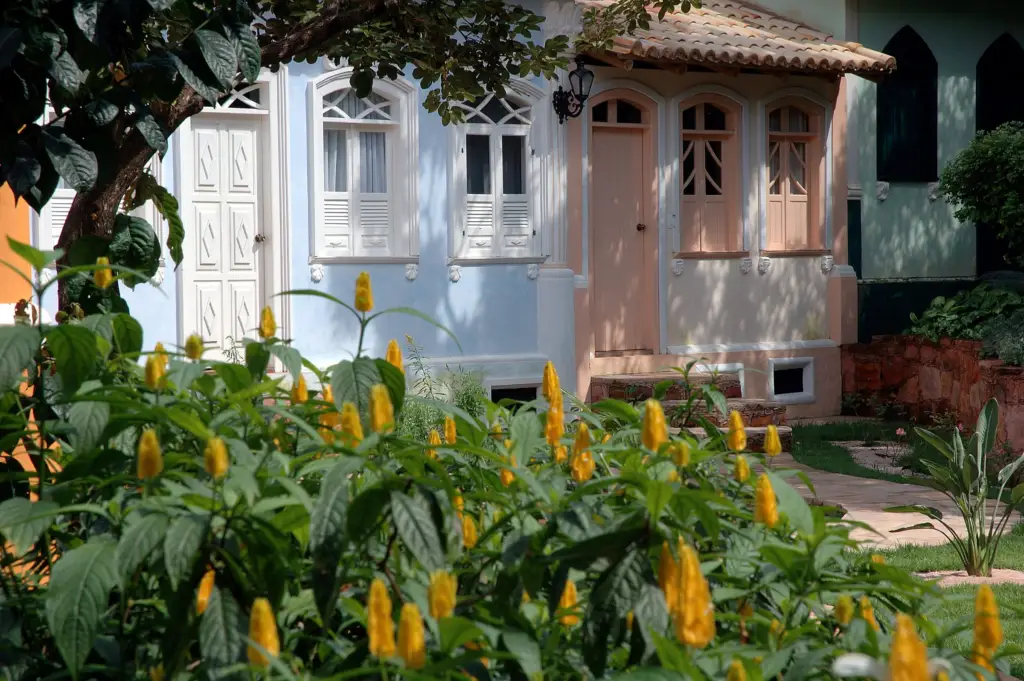
Lençóis is the main gateway to Chapada Diamantina and serves as the best base for exploring the park. Travelers come for world-class hiking, multi-day treks, cave swimming, waterfall excursions, and the town’s charming 19th-century colonial architecture. It combines natural adventure with cultural history from the diamond-rush era.
Most travelers need at least 5 days to do the region justice. A 3–4 day stay is the practical minimum and covers key highlights based in Lençóis. If you want to do a multi-day trek like Vale do Pati, budget 7+ days in total.
The rainy season normally starts in November and lasts until February, diminishing gradually towards mid-year. Remember that the Chapada lies in a semi-tropical area, so we are not talking about monsoon rains but just regular hard summer rains similar to ones you would get in Europe or the United States. During this time of year, swimming in full rivers and waterfalls is an unforgettable experience and most of the time will not hamper your tours. There is usually a short dry season, which starts in August and can last until November — one of the best months to see the flowering orchids.
Yes — June to August is an excellent time to visit. The weather is dry and clear, making it ideal for hiking. Temperatures can drop to around 10°C (50°F) at night, so bring a layer. The famous São João festivals also take place in June.
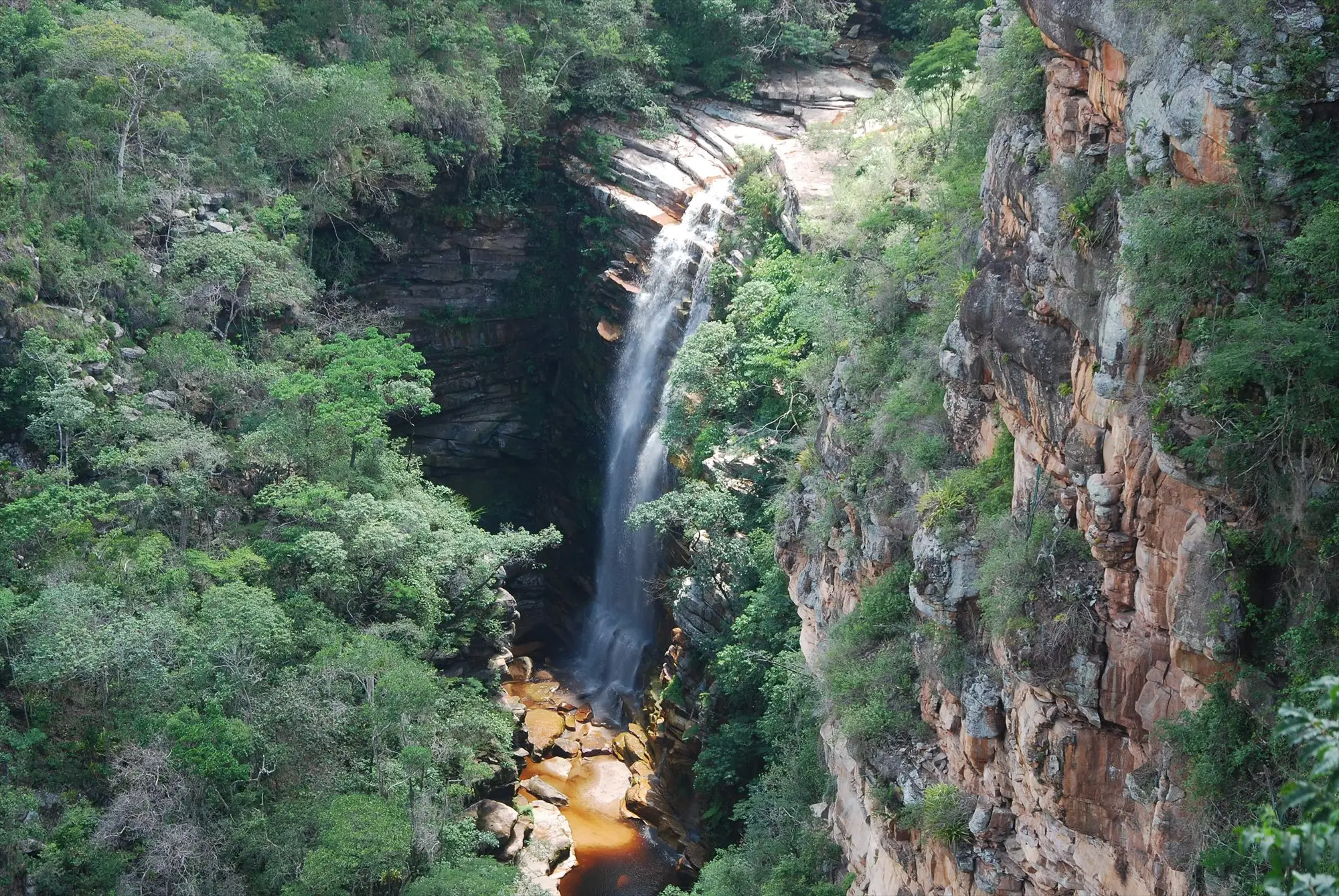
Waterfalls are most powerful during and just after the rainy season — roughly November to March. The Cachoeira da Fumaça (one of Brazil’s tallest waterfalls) is particularly spectacular at this time. In the dry season (August–October), water levels drop noticeably.
May to September offers the best hiking conditions — dry trails, clear skies, and manageable temperatures. This is also when the famous underground cave light shows at Poço Azul (best Feb–Oct) and Poço Encantado (best Apr–Sep) are at their finest. Start hikes early to beat heat and crowds.
Deputado Luís Eduardo Magalhães International Airport in Salvador (IATA: SSA) is the nearest international airport. From there, you travel onward to Lençóis by flight or bus.
No — there are no direct international flights to Lençóis (LEC). You will need to fly into Salvador (SSA) or another major Brazilian hub (São Paulo or Rio de Janeiro) and then connect onward.
For most international visitors, yes. Salvador is the most convenient hub, with onward flights or buses to Lençóis. Those flying into São Paulo or Rio de Janeiro can connect via either Salvador or Belo Horizonte and on to Lençóis via domestic flights.
The most common route is to fly to São Paulo (GRU) or Salvador (SSA) and then take a domestic flight or bus to Lençóis. Lisbon offers direct flights to Salvador with TAP Air Portugal. From New York, connecting via São Paulo or Miami is typical. From London, connecting via Lisbon or São Paulo works well, and there are several direct flights from Paris to Salvador with Air France.
If available, flying into Lençóis Airport (LEC) is by far the most convenient option — you arrive directly in town. However, flights are limited and sell out quickly. Salvador (SSA) is the fallback, with onward bus or transfer options.
Azul Airlines operates flights between Salvador and Lençóis typically twice a week (often Thursdays and Sundays), though schedules vary seasonally. Flights sell out fast during peak season (January–March, July) — book early.
Azul Linhas Aéreas is currently the primary airline serving Lençóis Airport (LEC), operating the Salvador–Lençóis–Belo Horizonte route.
The bus is the standard alternative and is perfectly comfortable — see section 6. A private transfer by car is also possible if you prefer door-to-door service.
Flights from Salvador (SSA) to Lençóis (LEC) typically cost between $75–$320 USD one-way, depending on availability and how far in advance you book. The cheapest fares start around $41 when booked well ahead.
Brazilian domestic flights can be pricey, particularly for smaller routes like Salvador–Lençóis where a single airline operates with limited capacity. Booking 4–6 weeks in advance and being flexible with dates helps significantly.
For domestic flights to Lençóis, book as early as possible — at least 4–8 weeks ahead during peak periods (school holidays, Carnival, São João). Booking at least a month in advance can save up to 24% on domestic fares.
The bus is significantly cheaper ($25–$60 USD vs $75–$320 USD by plane), but takes around 7 hours. The flight takes about 1 hour. For budget travelers or those with time to spare, the bus is a perfectly comfortable choice.
Yes — there are direct buses from Salvador’s main bus terminal (Rodoviária de Salvador) to Lençóis. Services run several times daily, including evening departures which can save you a night’s accommodation.
The bus journey takes approximately 7–7.5 hours, covering around 260 miles (420 km). Allow extra time for traffic, especially leaving Salvador.
Intercity buses in Brazil are generally comfortable, with reclining seats and air conditioning. Overnight “leito” (sleeper) buses offer fully reclining seats for extra comfort.
Bus tickets from Salvador to Lençóis cost approximately $25–$60 USD (R$135–R$326), depending on the bus company, seat type (standard vs. leito), and when you book. Overnight buses are a money-saver — you travel while you sleep.
Yes — book ahead during Brazilian public holidays, Carnival (January/February/March), and São João (June), as well as the high season of July and August. These periods see heavy domestic travel and buses fill up quickly.
Private transfers from Salvador Airport to Lençóis typically cost in the range of R$900–R$1,200+ (roughly $180–$240 USD), depending on vehicle type. Prices are per vehicle, so they work out well for groups.
By car, the journey takes approximately 5.5–6 hours. The route uses the BR-324 and BR-242 highways.
Yes — private transfer services can be arranged in advance through your accommodation or local tourism agencies in Lençóis. Vila Serrano can help coordinate this on request.
Yes — shared van or minibus transfers operate between Salvador and Lençóis and are more affordable than private options. These are often organized by guesthouses or local agencies and can be booked in advance.
Uber is not reliably available in Lençóis itself. Within Salvador, Uber works well for getting to the bus terminal or airport. Once in Lençóis, local taxis and arranged transfers are the main options.
Yes — most travelers explore successfully without a car. Day tours from Lençóis include transport by 4×4 vehicle, and local guides cover logistics. This is the most popular approach for first-time visitors. We work together with Chapadamar, run by Cris, who can organize guided tours with full transport included.
Tour availability is generally good, especially in peak season. Group tours to major attractions run regularly. For remote or multi-day treks, advance booking is advisable. Our partner Chapadamar can arrange daily tours tailored to your schedule.
Collective vans (kombi) run between some towns and attractions at low cost (around R$20–50 per route), but schedules can be irregular and coverage is limited. For flexibility and access to remote areas, guided tours with vehicle support are better.
Yes — a rental car gives maximum flexibility to reach different regions of the park on your own schedule, especially if you want to explore beyond the Lençóis area (e.g., Mucugê, Igatu, Vale do Capão). A 4WD is recommended for access to some park attractions. Cars are available at Lençóis Airport from around R$223/day.
The iconic Cachoeira da Fumaça (one of Brazil’s tallest waterfalls at ~340m) is a must — viewable from above on a day hike or from below on a 3-day camping trek. Ribeirão do Meio offers natural rock slides and swimming holes just an hour’s walk from Lençóis. Sossego Waterfall is another beautiful option.
Vale do Pati Traverse (5 days, advanced) is Chapada’s most famous multi-day trek. Vale do Pati Express (3 days, moderate) suits those wanting a shorter taste. The Cachoeira da Fumaça Day Hike (5–7 hours, moderate) is the top day-hike. Ribeirão do Meio (easy–moderate) and Sossego (half to full day, advanced) round out the list. All multi-day treks are organized through our partner Chapadamar, led by Cris and her team of certified local guides.
Yes — Poço Azul and Poço Encantado are the most famous cave experiences in Chapada Diamantina. Both feature underground lakes with startlingly clear water, and on the right days, sunlight beams through the cave ceiling creating a magical light show. Pratinha Cave is another popular option closer to Lençóis. Our partner Chapadamar organizes cave tours with expert local knowledge.
Morro do Pai Inácio (iconic plateau with panoramic views) is one of the most popular half-day trips. Ribeirão do Meio’s natural slides are walkable from town. Most cave tours (Poço Azul, Poço Encantado, Pratinha) are structured as full-day excursions by vehicle.
Morro do Pai Inácio: a flat-topped plateau reached by a short hike, offering sweeping views over the Chapada — especially famous at sunset. Poço Azul: an underground lake lit by sunlight, best visited February–October. Poço Encantado: a similar experience, best April–September when the sun angle is ideal. Cachoeira da Fumaça: Brazil’s tallest waterfall (~340m), a highlight whether seen from the top (day hike) or base (3-day trek). All of these can be arranged through our partner Chapadamar.
Group day tours from Lençóis typically cost R$150–R$300 per person ($28–$55 USD), depending on destination and inclusions. Some tours include 4×4 transport, guide, and entrance fees; others charge these separately.
For multi-day treks and remote areas, a certified guide is essential — and often legally required, such as for Vale do Pati. Private guides offer more personalised itineraries. We work together with Chapadamar, run by Chris, who provides certified, experienced local guides for both private and group tours.
Yes — group tours are widely available in Lençóis and are the most common and cost-effective way to explore. Vila Serrano works together with our trekking partner Chapadamar to organize guided excursions for our guests.
Multi-day treks into remote areas such as Vale do Pati require a certified guide due to the terrain’s complexity and remoteness. Certain cave visits and official park zones also require a guide. Day hikes closer to Lençóis (e.g., Ribeirão do Meio) can generally be done independently. For all guided experiences, we recommend our partner Chapadamar.
A rough budget for tours over 4–5 days: 2 group day tours ($55–$110), 1 multi-day trek with guide ($150–$300+), entrance fees ($15–$40). Total tour budget: approximately $220–$450 USD, not including accommodation or food. Carry cash — ATM access is limited (see section 12).
Lençóis town is considered very safe by Brazilian standards. The streets are lively and friendly. Standard urban precautions apply.
Within Lençóis itself there are no particularly dangerous areas for tourists. On hiking trails, avoid isolated paths after dark and don’t leave valuables in parked cars.
Yes — Lençóis and Chapada Diamantina are popular with solo travelers, and the town has a well-established backpacker and independent travel culture. Group tours are easy to join solo.
Shorter, well-marked trails near Lençóis (such as Ribeirão do Meio) can be done independently. For longer or more remote trails — especially multi-day treks like Vale do Pati — a certified guide is strongly recommended and often required. We work together with Chapadamar, run by Cris, for all guided hikes. Always carry water, sun protection, and a rain jacket.
Lençóis has basic medical facilities, and emergency services are available. For serious medical issues, evacuation to Salvador would be necessary. Ensure you have comprehensive travel insurance that covers outdoor activities and emergency evacuation.
English is limited outside the main hotels and some tourism agencies. Basic Portuguese phrases will be very useful. Guides working with international tourists typically have some English, but it’s not guaranteed. A translation app is a handy backup.
Cards are accepted in most hotels and restaurants in Lençóis town. However, many guides, smaller shops, and rural attractions are cash-only. Always carry a supply of Brazilian Reais for these situations.
There is no ATM. It is not possible to withdraw cash with a foreign card at Banco do Brasil in town. Withdraw sufficient cash before arriving in Lençóis — ideally in Salvador.
Mobile coverage in Lençóis town is reasonable, but signal drops quickly once you’re on trails or in valleys. Download offline maps (Google Maps or Maps.me) before heading out. Wi-Fi is available at most pousadas.
Essentials: sturdy hiking boots or trail shoes, lightweight rain jacket, sun protection (hat, SPF), swimwear (for waterfalls and caves), insect repellent, a headtorch, and a reusable water bottle. For multi-day treks, bring a sleeping bag liner if staying in basic homestays. Temperatures can drop to 10°C at night in June–July.
Yes — carry cash for tours, local guides, entrance fees, and smaller eateries. R$100–200 per day is a sensible buffer. Withdraw in Salvador before traveling, as there is no ATM in Lençóis. Tip your guides — it’s customary and appreciated.
MORE QUESTIONS?
Send your question through the contact channels and confirm the details that matter for your stay.
Super comfortable bed, warm service and a wonderful breakfast.
Lyvyah —Booking.com
A unique garden for anyone who wants to feel connected to nature.
Daniel_viegas —Booking.com
Cosy room, great pousada and friendly staff
Valentin Mat —Google
The breakfast was really good with a great variety of dishes.
Alex de Leon —Google