
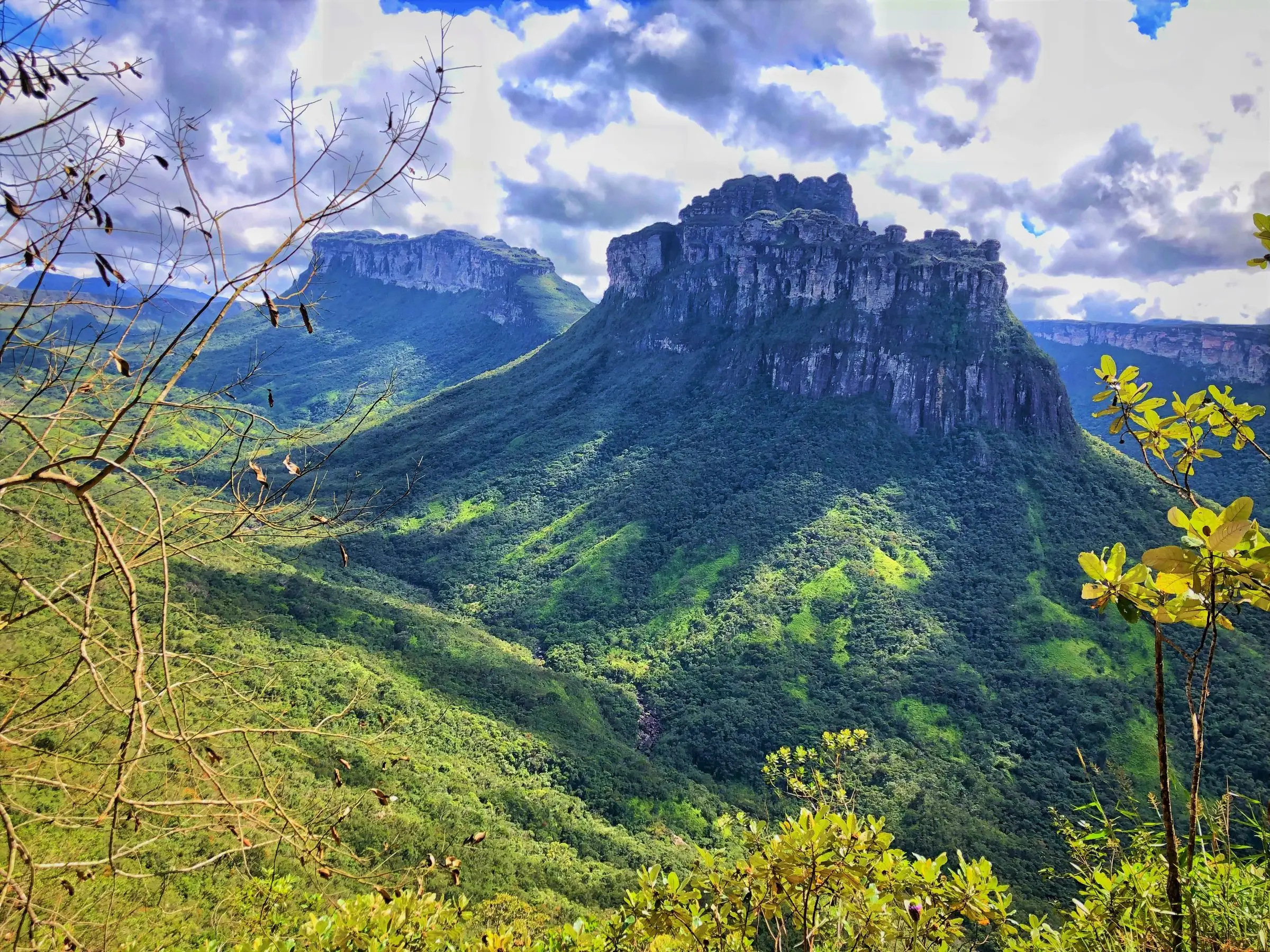
Vale do Pati
Chapada's classic multi-day trek: a remote valley with no road in, sandstone walls on every side, and nights in family homestays.
- 3 or 5 days
- 65–70 km
- Guide required
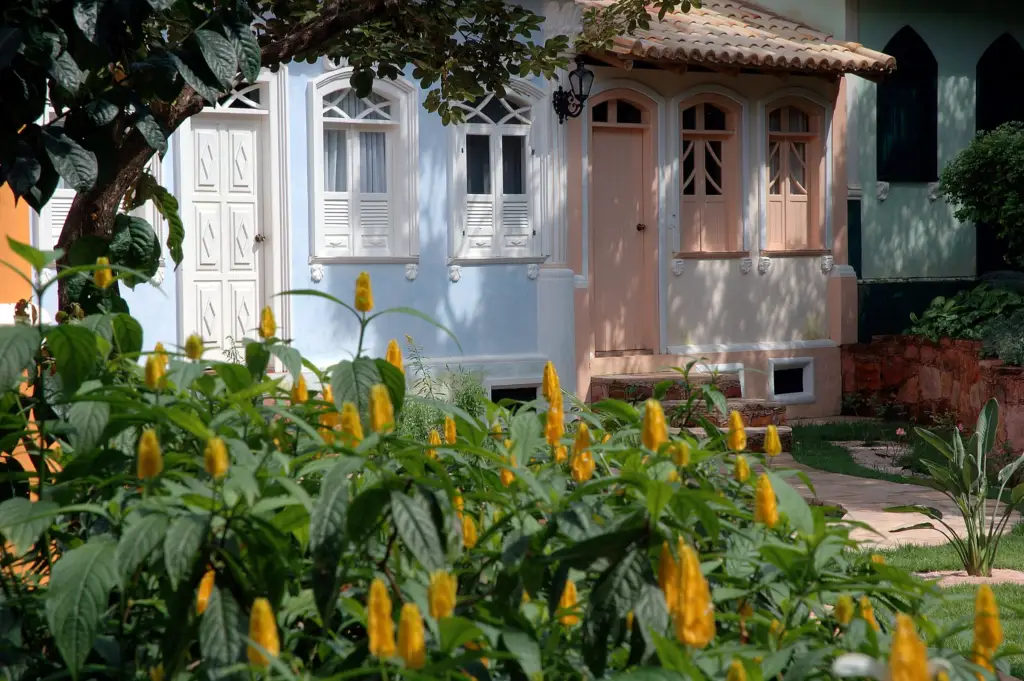
Vila Serrano and Chapada Diamantina
Vila Serrano · Lençóis, Bahia
GUIDED EXCURSIONS · WITH CHAPADAMAR
Short walks from town, full days out, and multi-day valley crossings. This guide sorts everything by how much time it takes and whether you need a guide, so you can plan around your days, not a list of names.
THE PARK
Chapada Diamantina, the "Diamond Plateau", is a national park in the highlands of Bahia, in northeastern Brazil. It was established in 1985 to protect more than 1,500 square kilometres of sandstone and quartzite: tabletop mountains, river canyons cut hundreds of metres into the rock, and a cerrado plateau where the late-afternoon light turns everything gold.
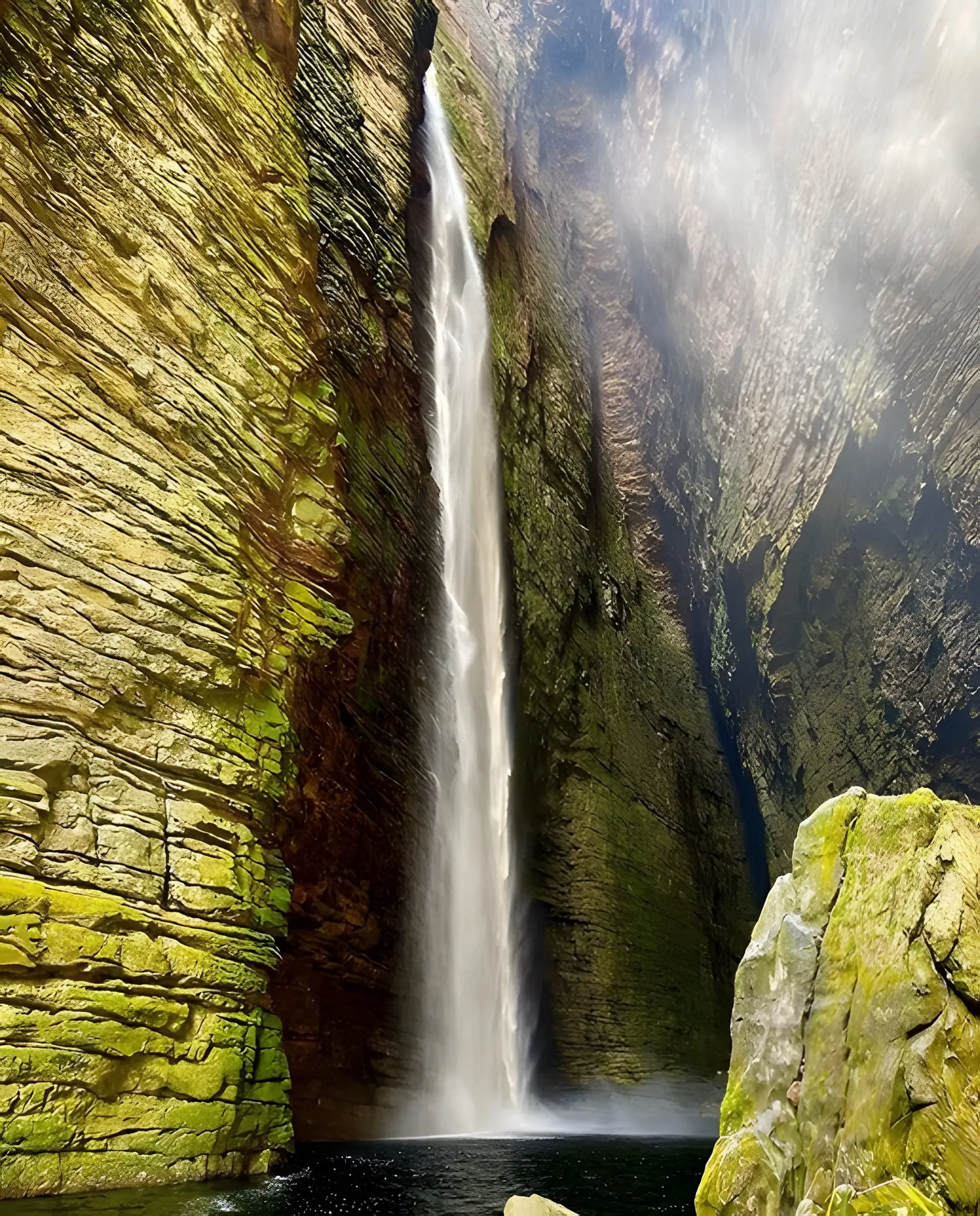
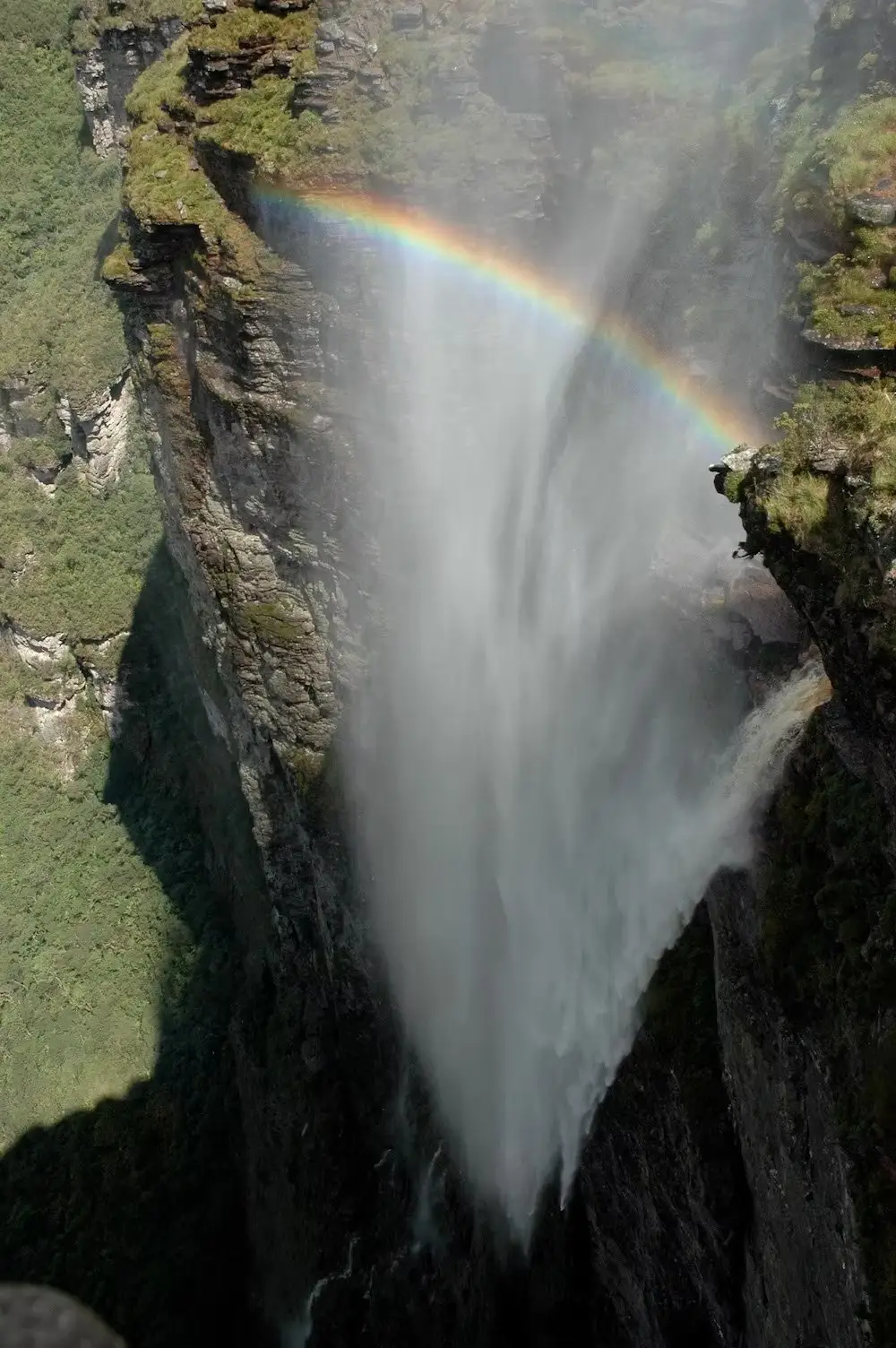
It is also waterfall country. The most famous, Cachoeira da Fumaça, drops 340 metres into the valley below, making it one of the highest waterfalls in Brazil. On windy days the water never reaches the ground and scatters into mist halfway down, which is where the name comes from: fumaça means smoke. Beneath the plateau, rivers have hollowed out caves and flooded pools such as Poço Encantado, where the water glows blue when the sun finds the right angle.
Before it was a park, this was diamond country. When diamonds were found here in the 1840s, prospectors poured in, and for a few decades the region was one of the largest diamond-producing centres in the world. Lençóis, now the park's main gateway, was built during that rush, and its cobbled streets and colonial houses still show it. The diamonds ran out; the landscape stayed. Today the trails start less than ten minutes' walk from the town's main square.
THE BIG ONE
One of Brazil's highest waterfalls, and one of the most dramatic views in the country. The standard approach is a day hike to the clifftop viewpoint — five to seven hours, rated moderate, manageable for most fit walkers. You look down 340 metres into the valley below. On calm days, the water hits the bottom. On most days, it doesn't — it disperses before it reaches the ground, turning to mist. The hike starts near the village of Caeté-Açu (also called Capão) and benefits from a guide, since signage in the park is close to non-existent.
THE LANDMARKS
The park is too big for one visit. These are the places guests talk about most; the tiers below show how much time each one takes.
Chapada's classic multi-day trek: a remote valley with no road in, sandstone walls on every side, and nights in family homestays.
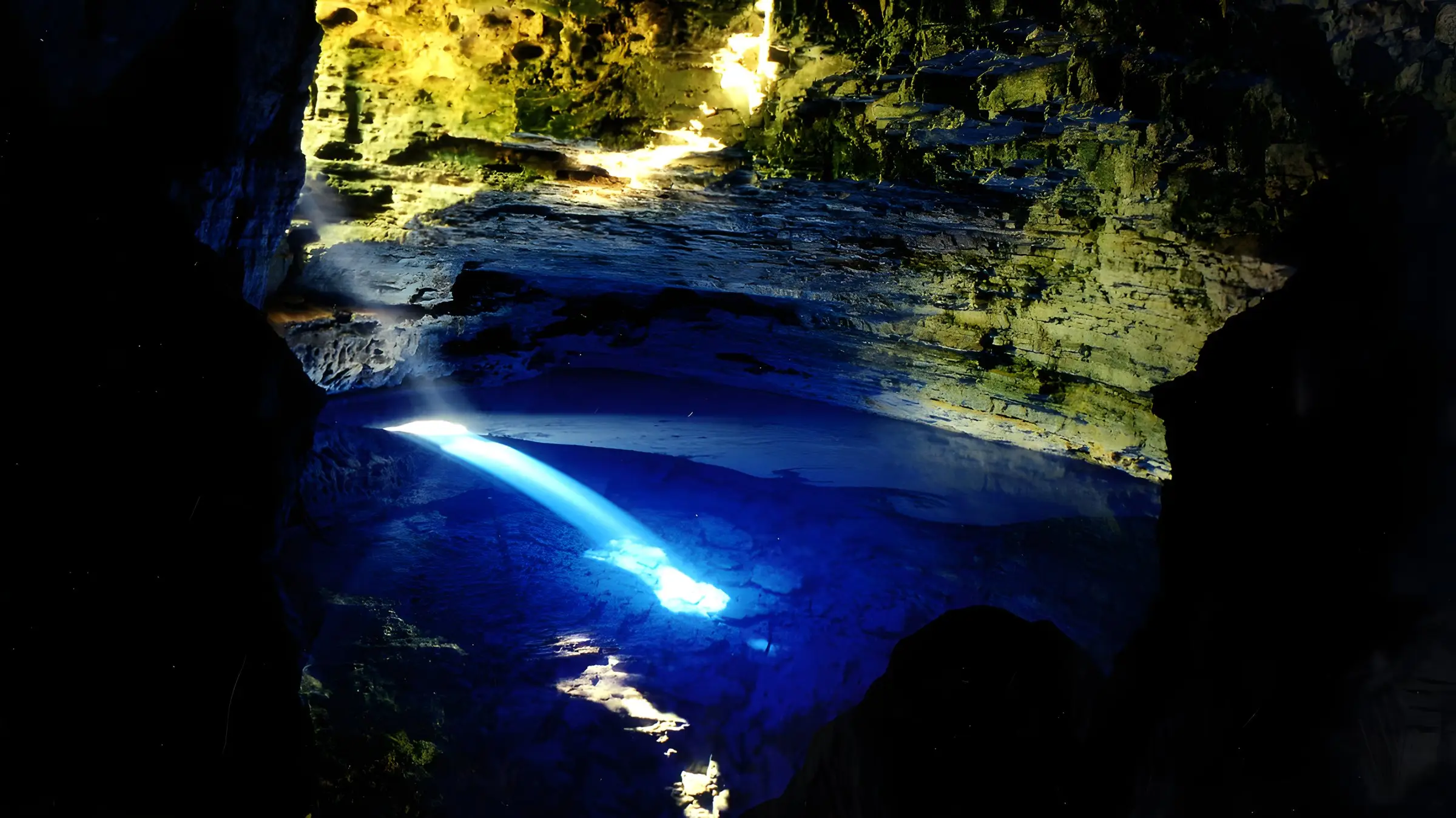
Two flooded caves in the south. Swim in Poço Azul; watch the light shaft fall into Poço Encantado.
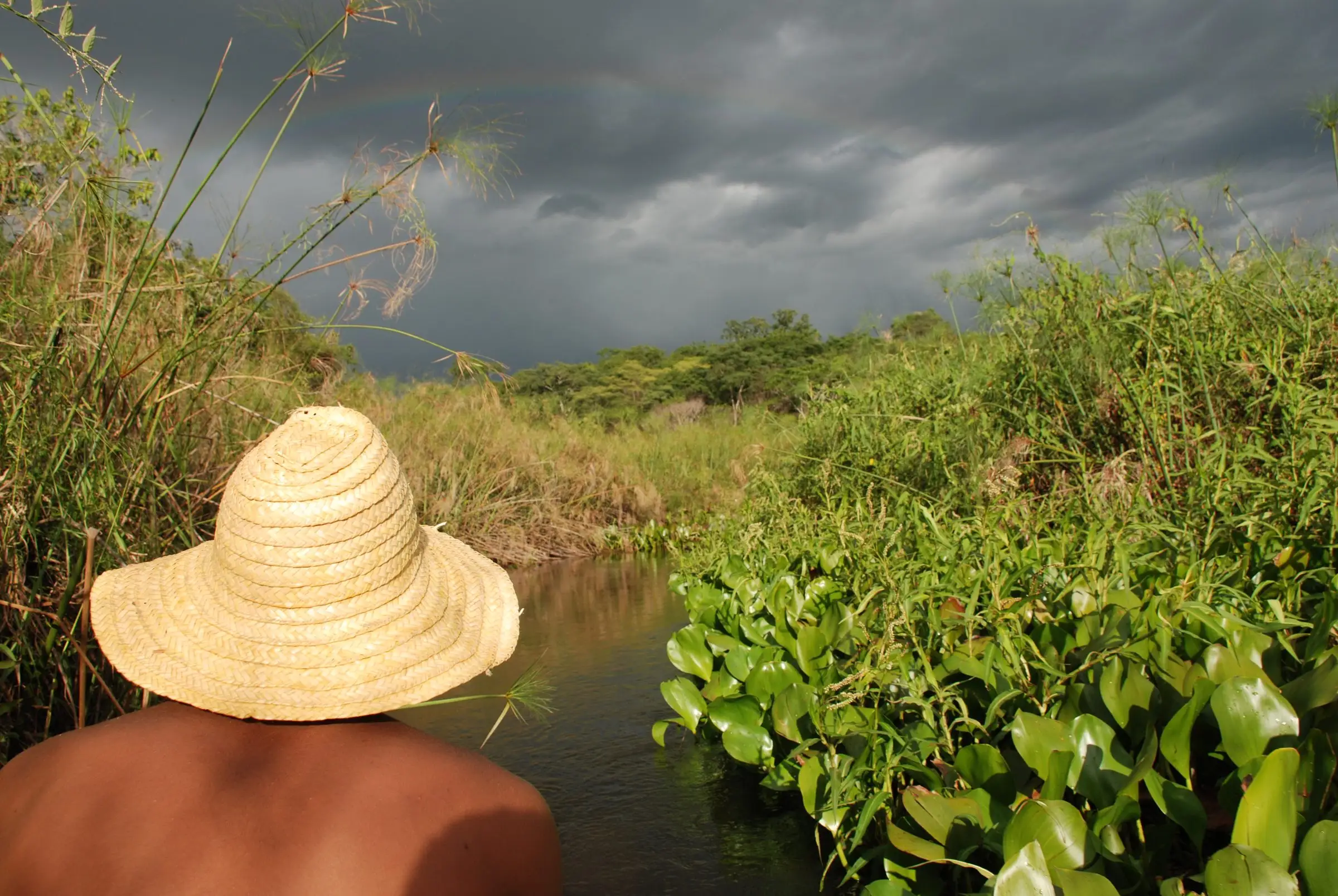
A palm-lined floodplain explored by canoe from Remanso. Go early for still water and birdlife, then swim in the Roncador river and take in the views over the wetland. Look out for birds, monkeys, reptiles and fish.
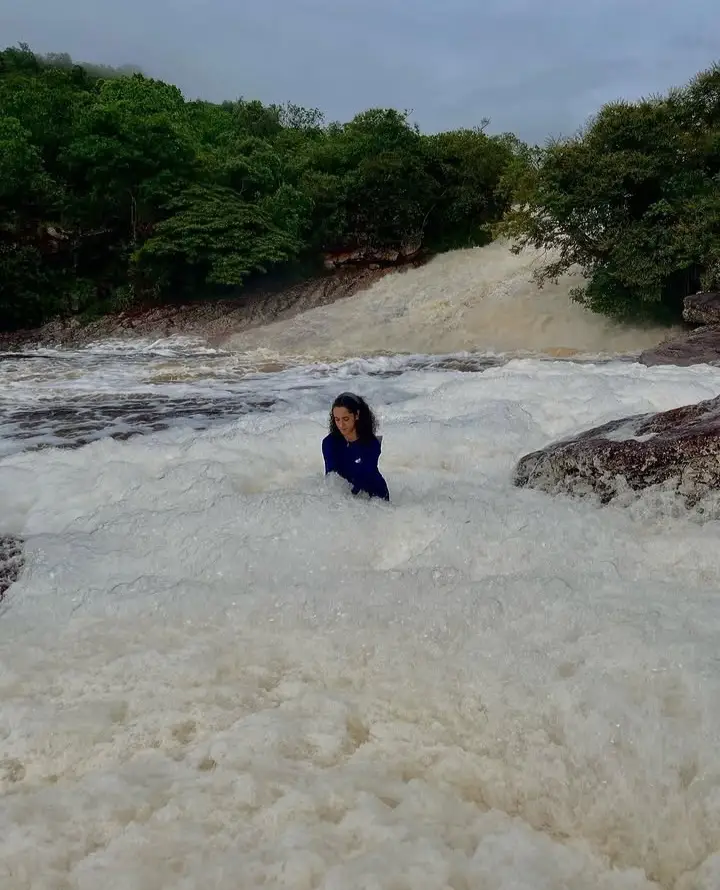
Natural rock slides at Ribeirão do Meio, then on upriver to a waterfall and swimming pool. Combined, it becomes a full day of advanced trekking over boulders and river stones. Pack a dry bag and plan to swim.
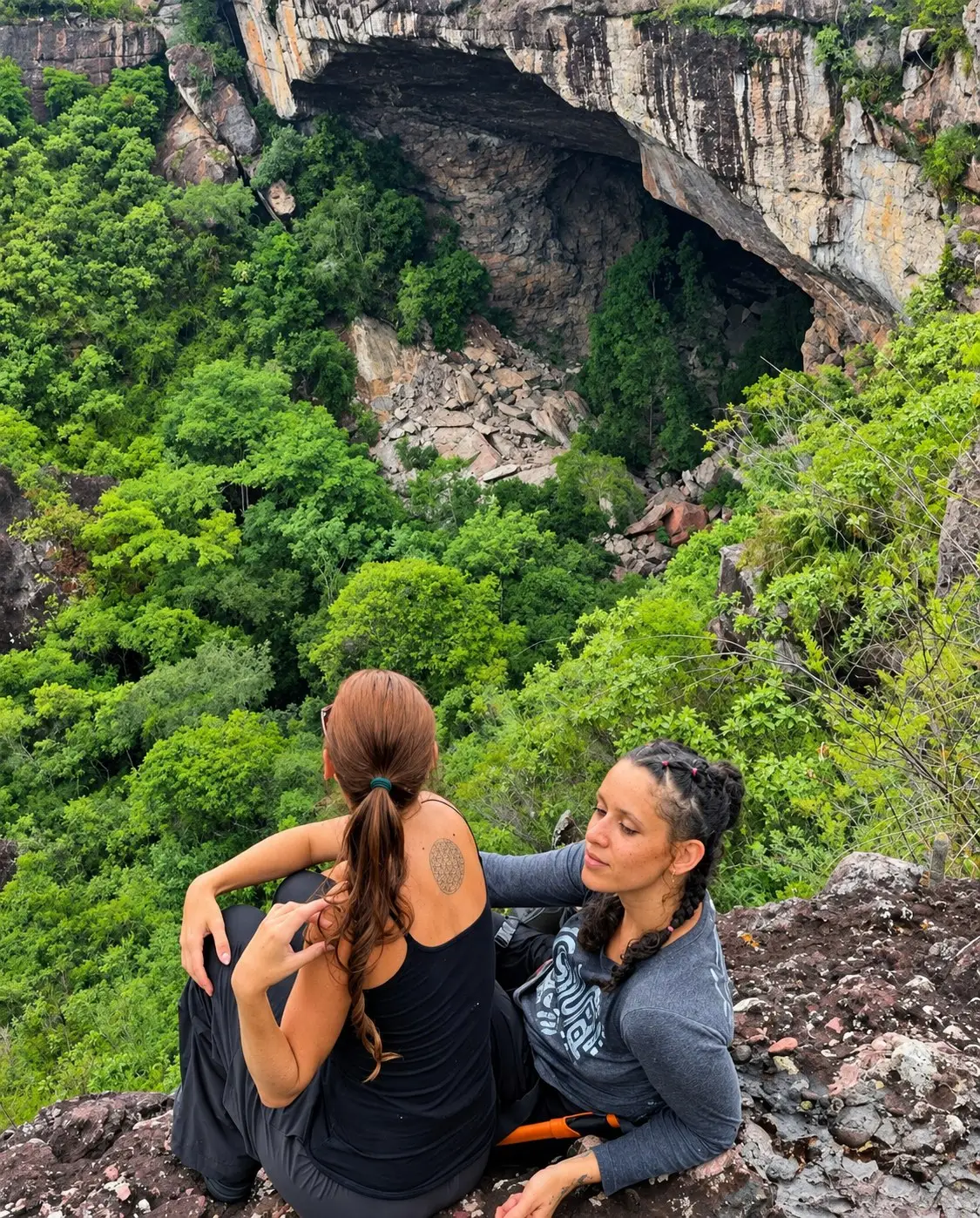
One of South America's largest sandstone caves, carved by water. An easy morning add-on. Bring a headlamp and a guide: it is easy to get lost in the cave.
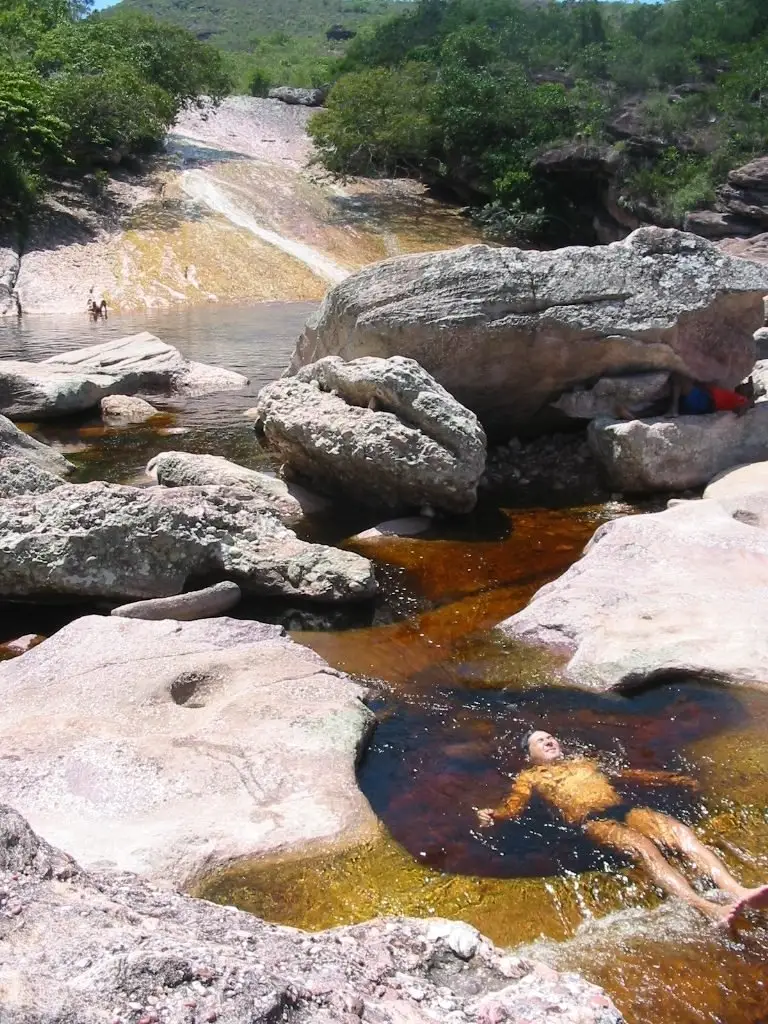
TIER ONE
The trails that start at the edge of town and don't ask much of you beyond decent shoes and a water bottle. Do one before lunch, be back at the pool by early afternoon.
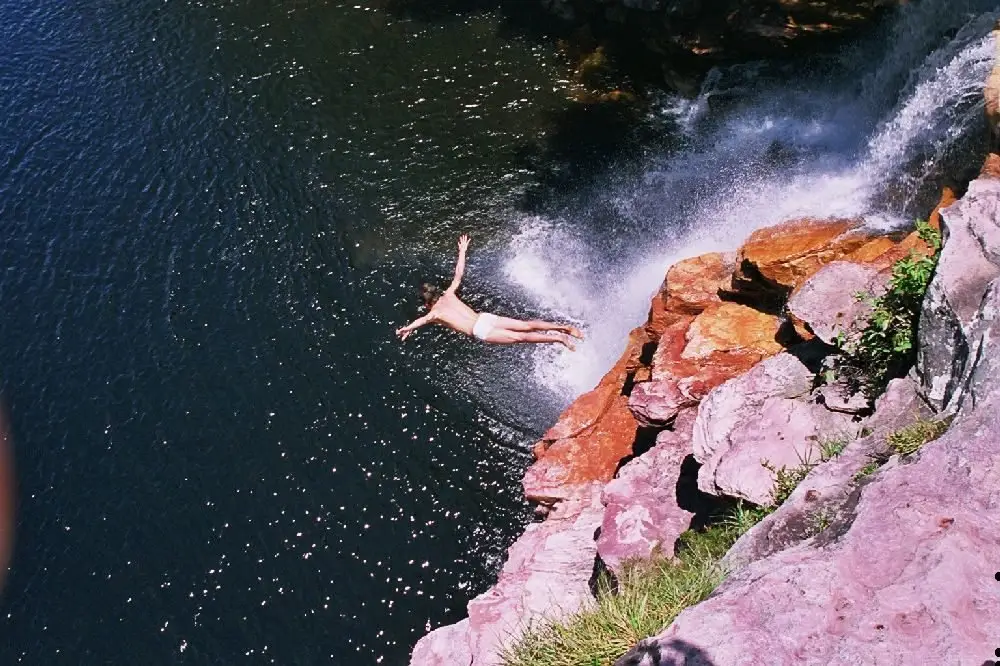
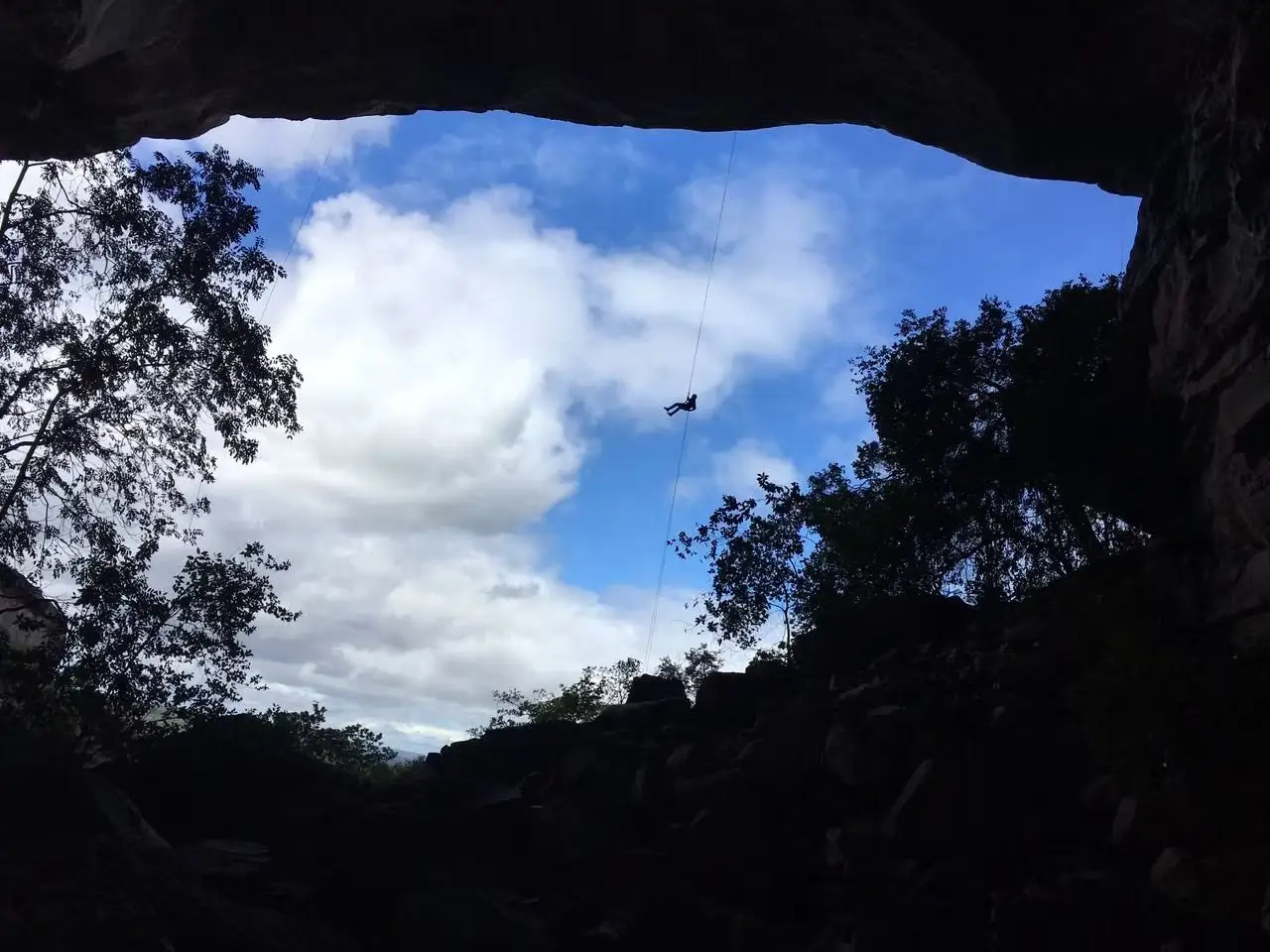
TIER TWO
The days worth planning around. These need a driver, a guide, or both — and pay back the extra logistics with the park's most talked-about views.
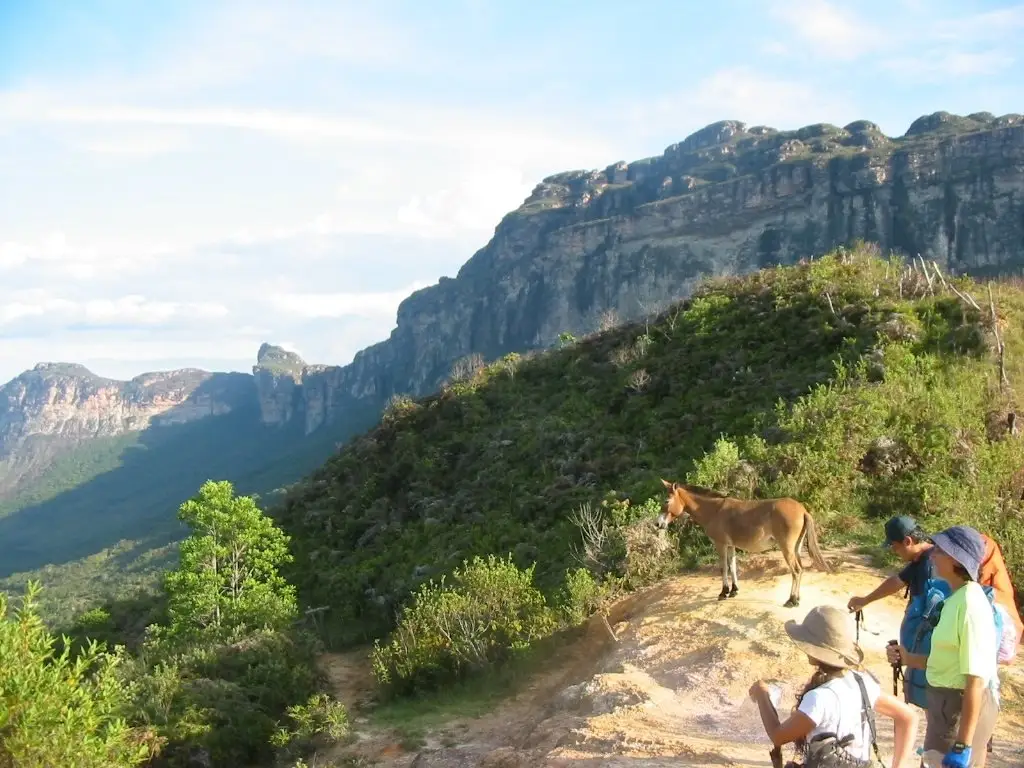
TIER THREE
No road in, no road out. A licensed guide isn't optional here — it's the law, and it's also just useful, since the route crosses private land and the trail markings are minimal at best.
Planning your treks
Every route above is guided by Chapadamar, our long-standing guiding partner. Conditions change week to week, so ask us at breakfast what's in good shape before you set off.
Best window: April to September
Apr – Jun · Best overall
Waterfalls still full, landscape green, trails drying out and quiet.
Jul – Sep · Peak dry
Best footing for Vale do Pati; bring a warm layer. Falls thin by September; July holidays are busy.
Oct – Nov · Hot & low
Hottest weeks, lowest water, fewest visitors. Start early; favour caves and river walks.
Dec – Mar · Rainy
Fullest falls, afternoon storms. Crossings can close and flash floods are a real risk: go guided.
YOUR BASE
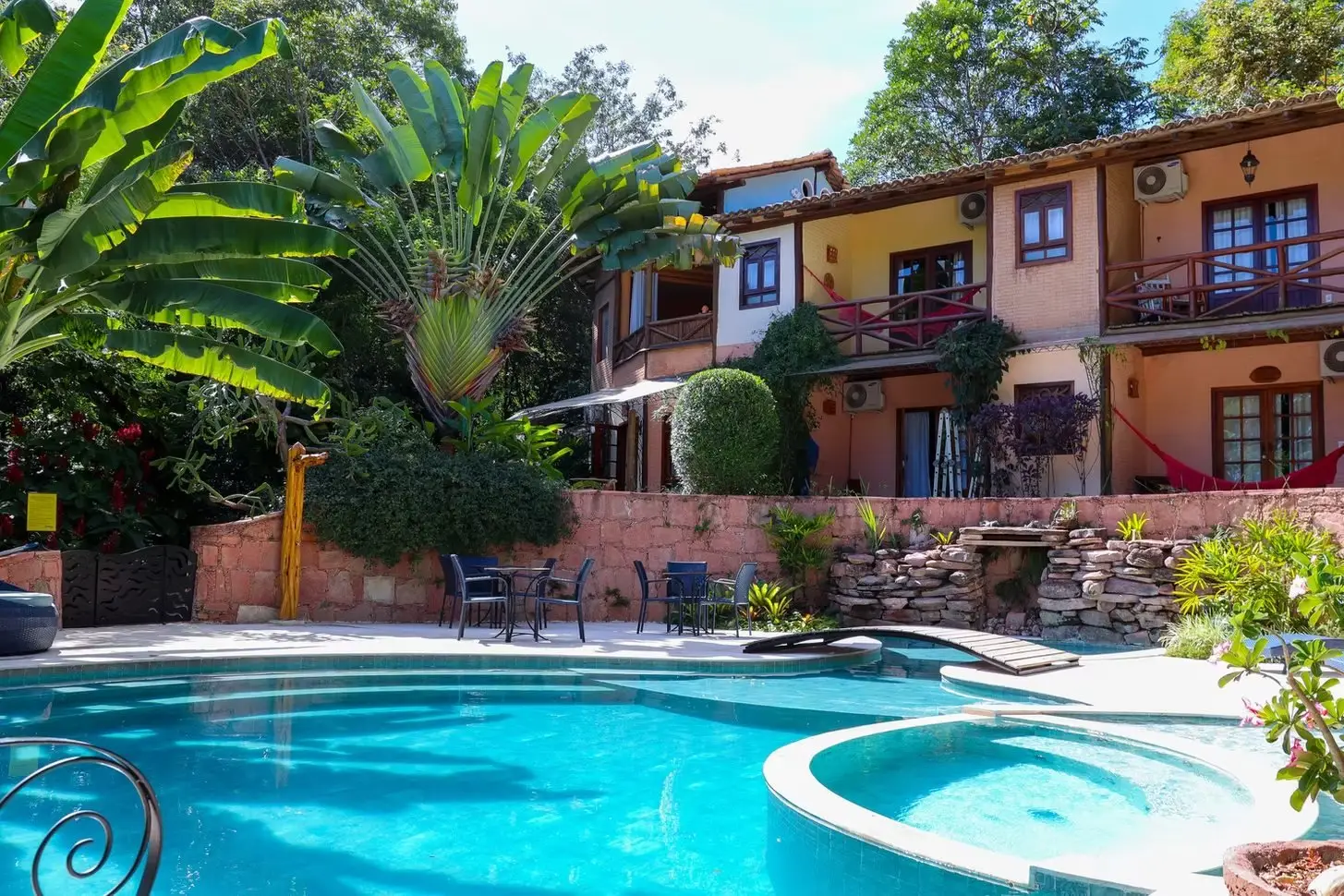
A small guesthouse five minutes' walk from the main square: 22 rooms set in a garden, a pool, and breakfast included every morning.
Book direct · best rate ↗QUESTIONS
Yes. Waterfalls, caves, swimming holes and Vale do Pati make it one of Brazil's best hiking regions, and Lençóis is a beautiful colonial town to come back to each night.
Four to five days covers the highlights from Lençóis. Allow a week or more if you want to add Vale do Pati.
We recommend one for almost every outing. A local guide knows which trails and crossings are safe that week, finds the swimming holes and viewpoints you would walk straight past, and brings the history, plants and wildlife to life. Even the easy walks are a better day with someone who grew up here. For multi-day treks such as Vale do Pati, a guide is essential.
April to September, the dry season. April to June has the fullest waterfalls; July to September the firmest trails.
By coach (6–7 hours), a direct Azul flight (about 50 minutes), or a private transfer arranged through Chapadamar.
Super comfortable bed, warm service and a wonderful breakfast.
Lyvyah —Booking.com
A unique garden for anyone who wants to feel connected to nature.
Daniel_viegas —Booking.com
Cosy room, great pousada and friendly staff
Valentin Mat —Google
The breakfast was really good with a great variety of dishes.
Alex de Leon —Google
The best trail advice in Lençóis comes with your coffee.