Skip to content

GUIDED EXCURSIONS · WITH CHAPADAMAR

Three ways into the Chapada.

From a two-hour walk to the rock slides to five days crossing a valley with no road in or out of it — pick the tier that matches how much day you want to give it.

Chapada Diamantina doesn't hand out one kind of day. Some mornings end at a swimming hole ten minutes from the gate. Others start before sunrise and don't finish until you've crossed a homestay valley on foot. We've sorted what we send guests out to do into three tiers — not by attraction, but by how much day, and how much guide, each one actually takes.

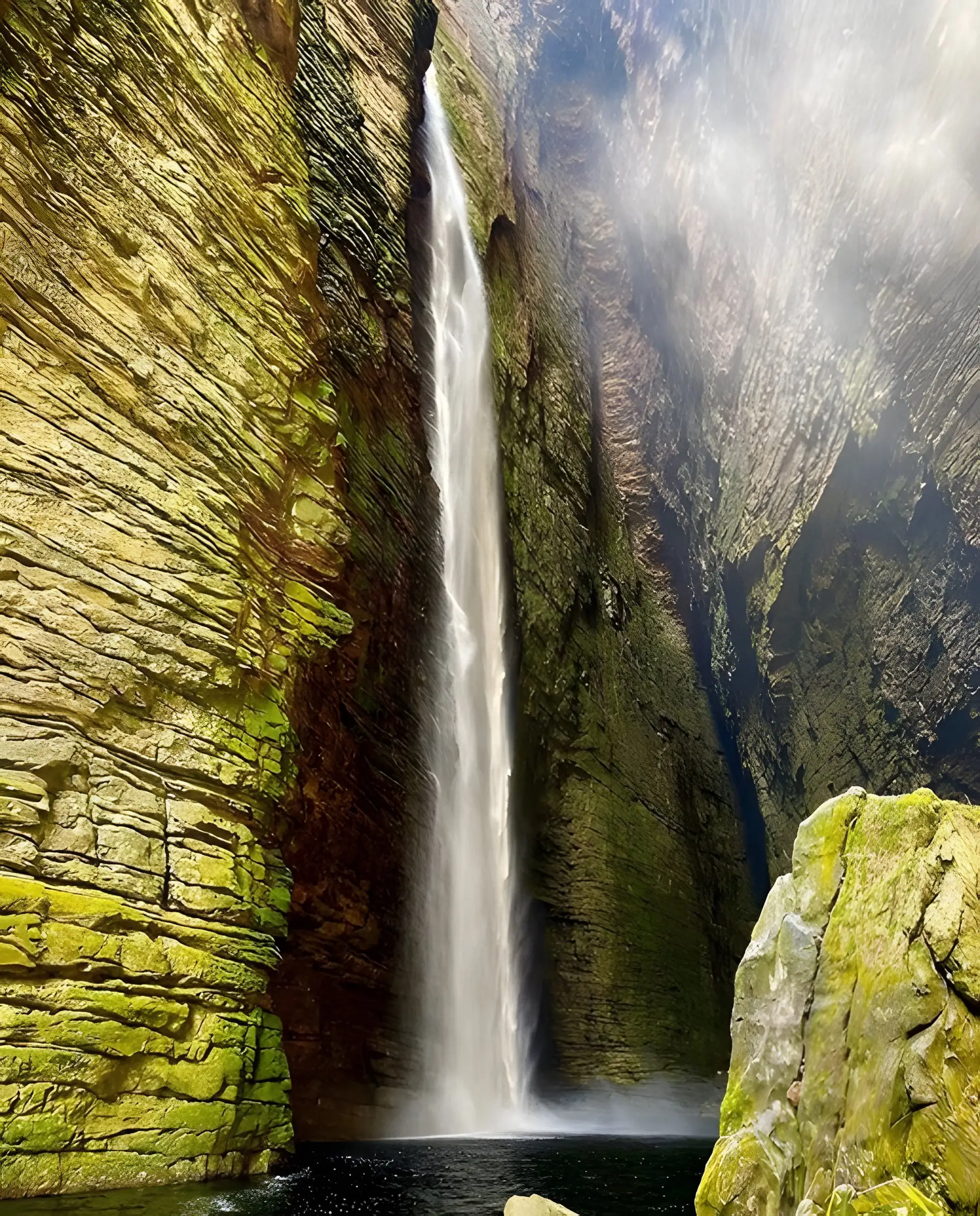
Cachoeira da Fumacinha — Ibicoara, southern Chapada Diamantina

THE PARK

What is Chapada Diamantina?

Chapada Diamantina — which translates roughly as "Diamond Plateau" — is a national park in the highlands of Bahia, in northeastern Brazil. Established in 1985, the park covers terrain that looks nothing like the Brazil most people picture: sandstone and quartzite formations carved into tabletop mountains called chapadas, river valleys cut hundreds of metres into the rock, and a cerrado plateau where the vegetation is sparse and tough, and late-afternoon light turns everything gold.

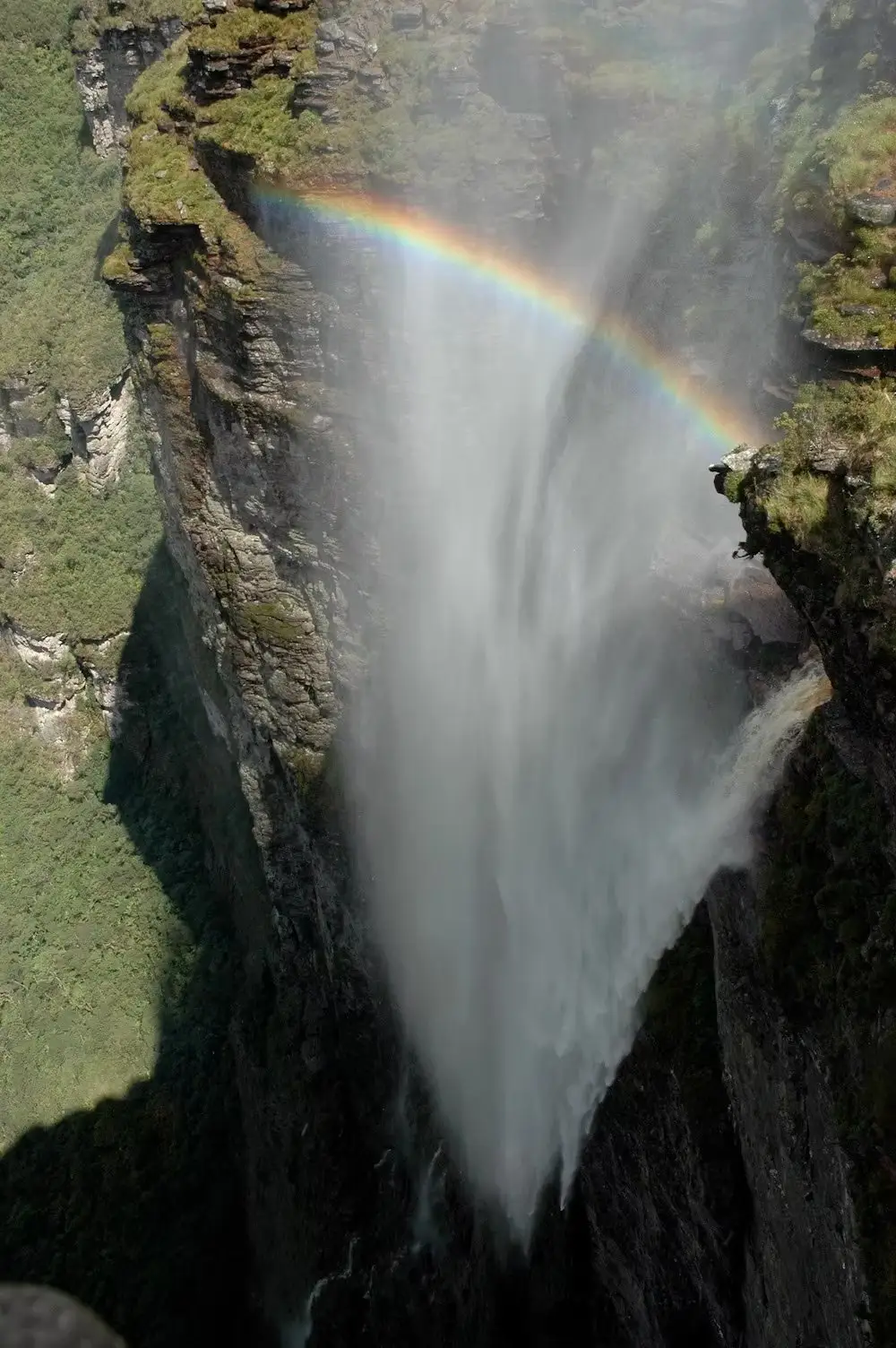
There are also waterfalls. Many of them. The most famous, Cachoeira da Fumaça, drops 340 metres into the valley — the tallest waterfall in Brazil and one of the tallest in South America. On windy days, the water never reaches the ground. It scatters into mist halfway down. That's where the name comes from: fumaça means smoke.

Before the park existed, this was diamond country. In the mid-19th century, the Chapada region was one of the world's largest diamond-producing centres. The town of Lençóis — now the park's main gateway — was founded by prospectors, and its colonial architecture still carries that slightly improbable quality of a place built fast on money that didn't last. The diamonds ran out. The landscape stayed.

WHERE TO BASE YOURSELF

Lençóis: The Best Base for Chapada Diamantina

The park has six entry towns. Lençóis is the one worth staying in. It's the largest, the best served by transport, and the only one with the kind of infrastructure that makes a multi-day trip genuinely comfortable: good restaurants, a working town centre, local guides with years on these trails, and enough accommodation options that you can actually choose rather than take whatever's left.

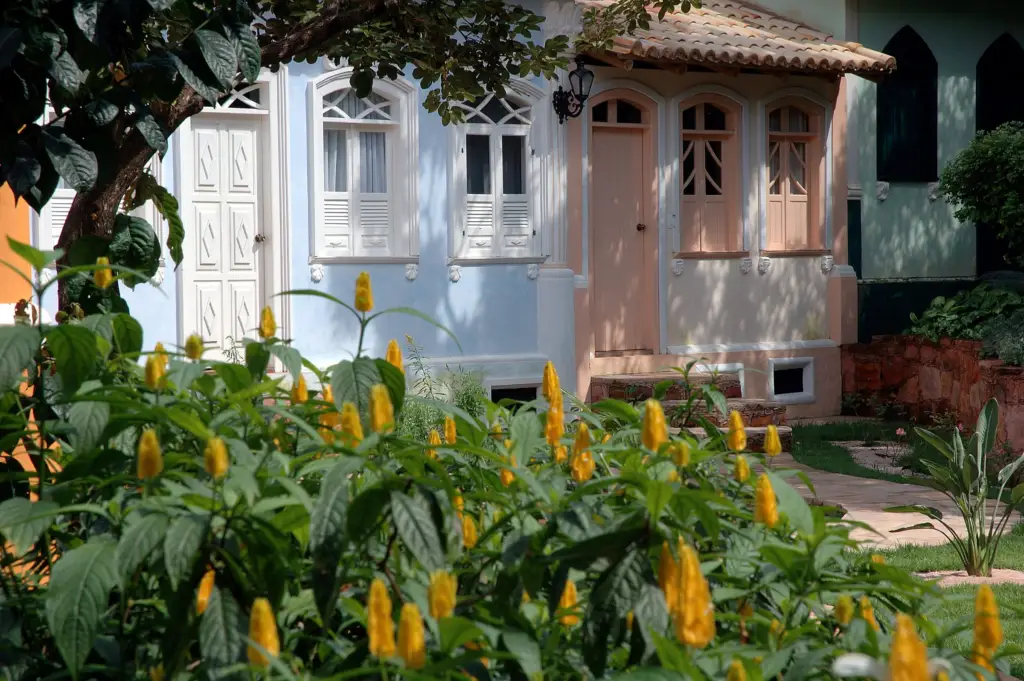
It also has character that the other towns lack. The cobblestone streets, the colonial architecture, the rivers that run along the edge of the historic centre — Lençóis is the rare gateway town that rewards wandering in its own right. The trails start less than ten minutes' walk from the main square.

The other entry towns — Mucugê, Palmeiras, Igatu, Andaraí — are worth visiting as day trips or as staging points for specific routes. But for a base to return to each evening, Lençóis is the answer.

Cachoeira da Fumaça — 340m, Brazil's tallest waterfall

THE BIG ONE

Cachoeira da Fumaça

340M DROP5–7 HRS CLIFFTOP HIKETRAILHEAD: CAPÃO

Brazil's tallest waterfall, and one of the most dramatic views in the country. The standard approach is a day hike to the clifftop viewpoint — five to seven hours, rated moderate, manageable for most fit walkers. You look down 340 metres into the valley below. On calm days, the water hits the bottom. On most days, it doesn't — it disperses before it reaches the ground, turning to mist. The hike starts near the village of Caeté-Açu (also called Capão) and benefits from a guide, since signage in the park is close to non-existent.

  • The Clifftop ViewpointThe standard day hike — moderate, five to seven hours, out and back from Capão. Most people do it this way.
  • From the Valley FloorA second way in: a three-day camping trek that approaches from below. You arrive at the base of the waterfall, where it fills the entire sky. River crossings, camping, long days — harder, more remote, and the kind of trek people are still talking about ten years later.

THE LANDMARKS

What to See in Chapada Diamantina: The Main Attractions

The park is large enough that no single visit covers all of it. What follows are the landmarks that genuinely justify the journey — not a list padded out for length, but the places people come back talking about. The tier breakdown further down groups them by how much day each one actually takes.

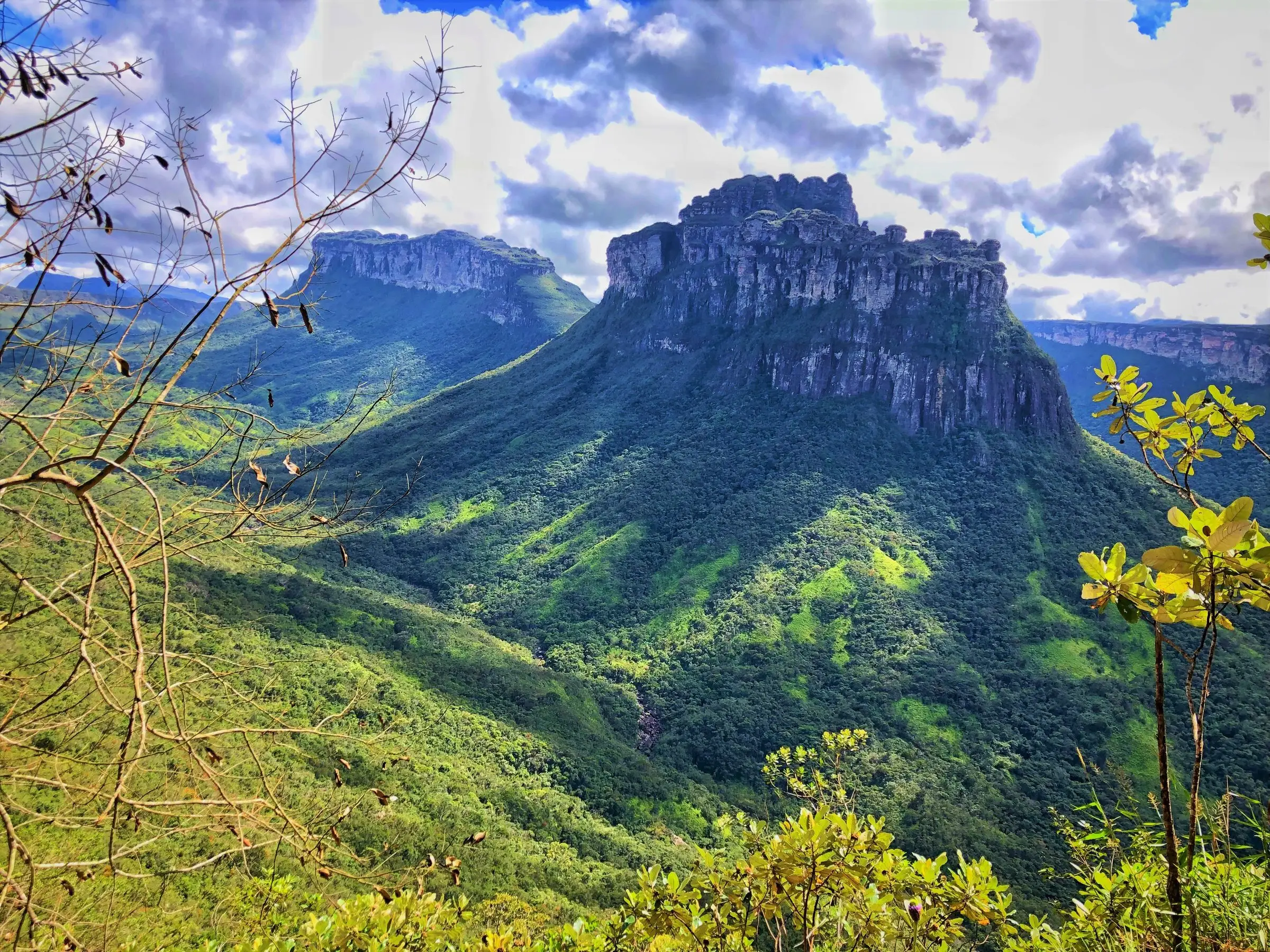
View over Vale do Pati, with sandstone cliffs above the green valley and a cloudy sky

Vale do Pati

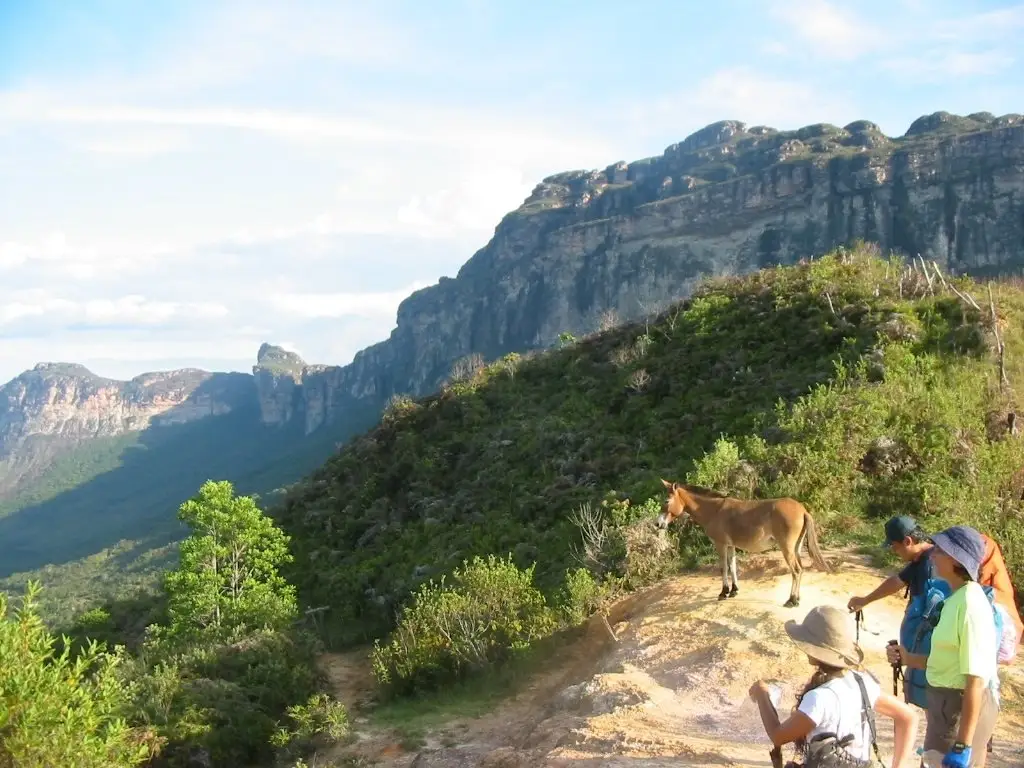
The benchmark multi-day trek in Chapada Diamantina. The full route covers roughly 65–70 km over five days through a remote valley with no road access, sleeping in family homestays along the way. The landscape shifts from cerrado plateau to river flats to canyon viewpoints. A licensed guide is required — this isn't a rule to argue with, it's useful in practice, because the trail markings are minimal and the route across private land requires knowing who to ask. A three-day express version covers the best sections for those with less time.
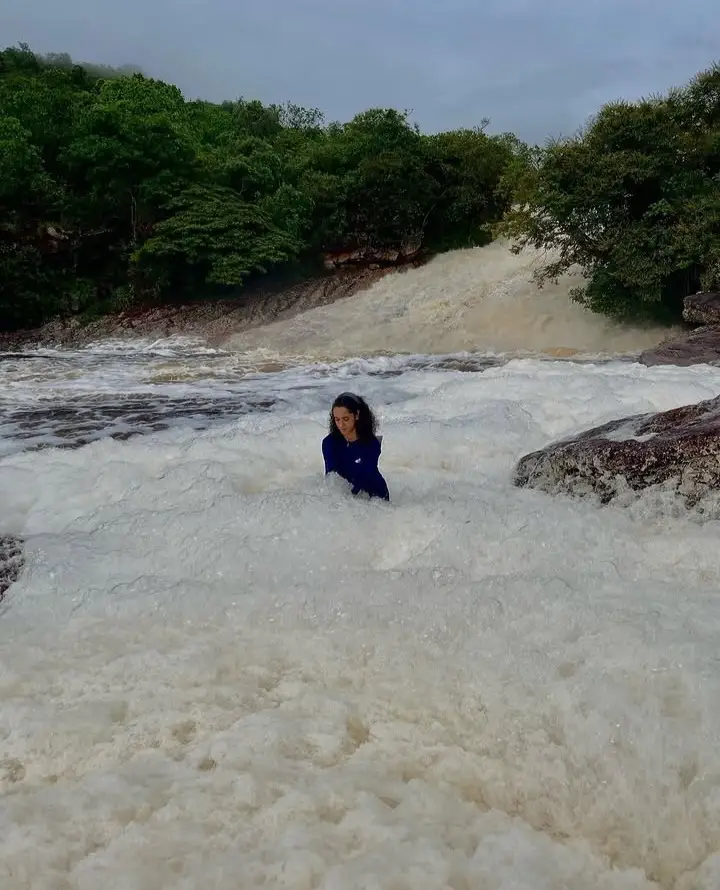
Person in the waters of Ribeirão do Meio, with a cascade and green forest behind

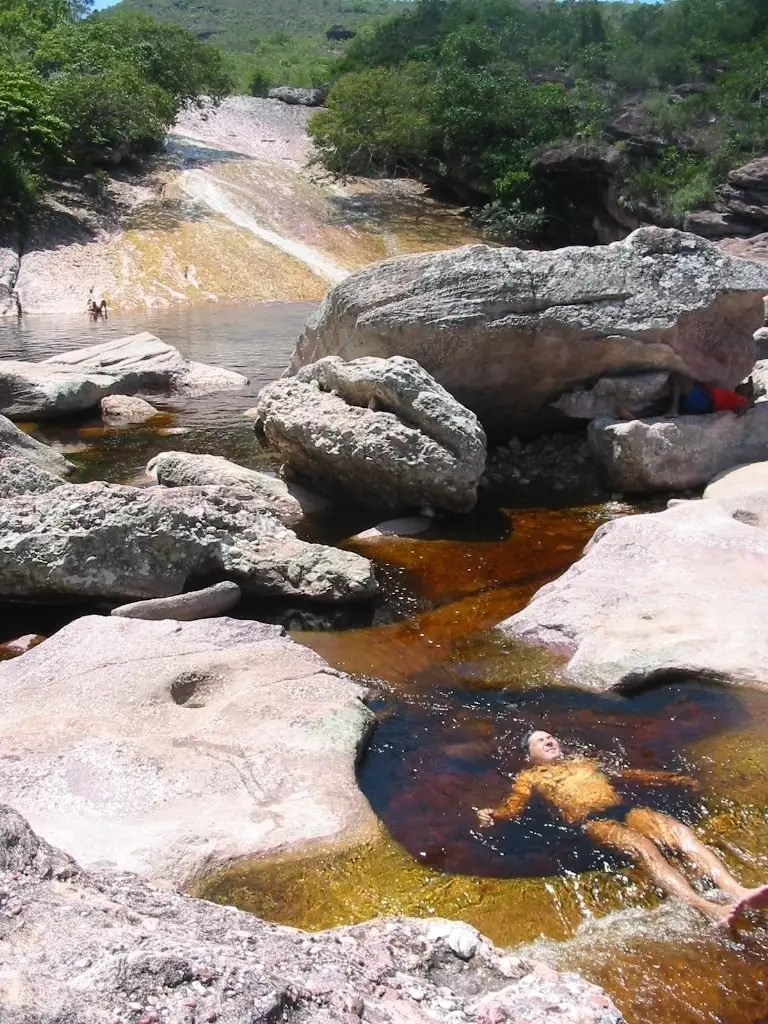
Ribeirão do Meio and the Natural Rock Slides

The most accessible walk from Lençóis — half a day, easy to moderate, no guide required. The trail follows the river valley out of town, passing through secondary forest to a series of natural rock channels worn smooth by centuries of water. The slides are exactly what they sound like. You sit in moving water and travel down polished stone at a speed that feels faster than it should. Then you swim to the edge of the Sossego waterfall pool and start again. Bring a waterproof bag.

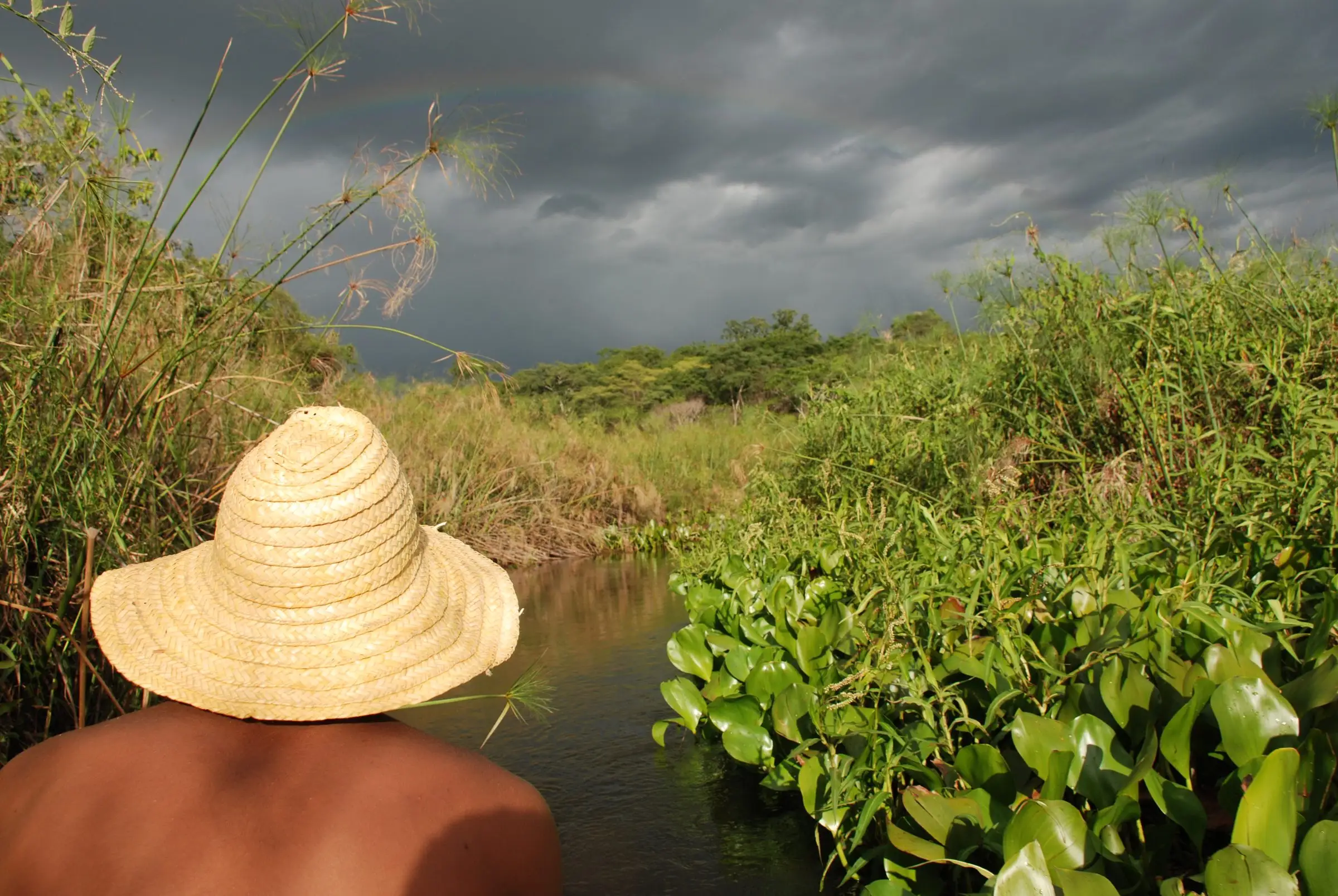
Person in a straw hat on a Marimbus channel among water plants, under a heavy sky

Marimbus Wetlands

Forty minutes south of Lençóis, the landscape changes completely. The Marimbus is a floodplain — buriti palms rising from shallow water, giant river otters, caimans on the banks, and the kind of silence that exists when there's no trail to follow. Canoe tours run from the Remanso access point, typically in the early morning when the wildlife is active and the light is still low. This is the excursion that surprises people most — they come for mountains and waterfalls and end up spending two hours in a dugout canoe watching birds they don't have names for.

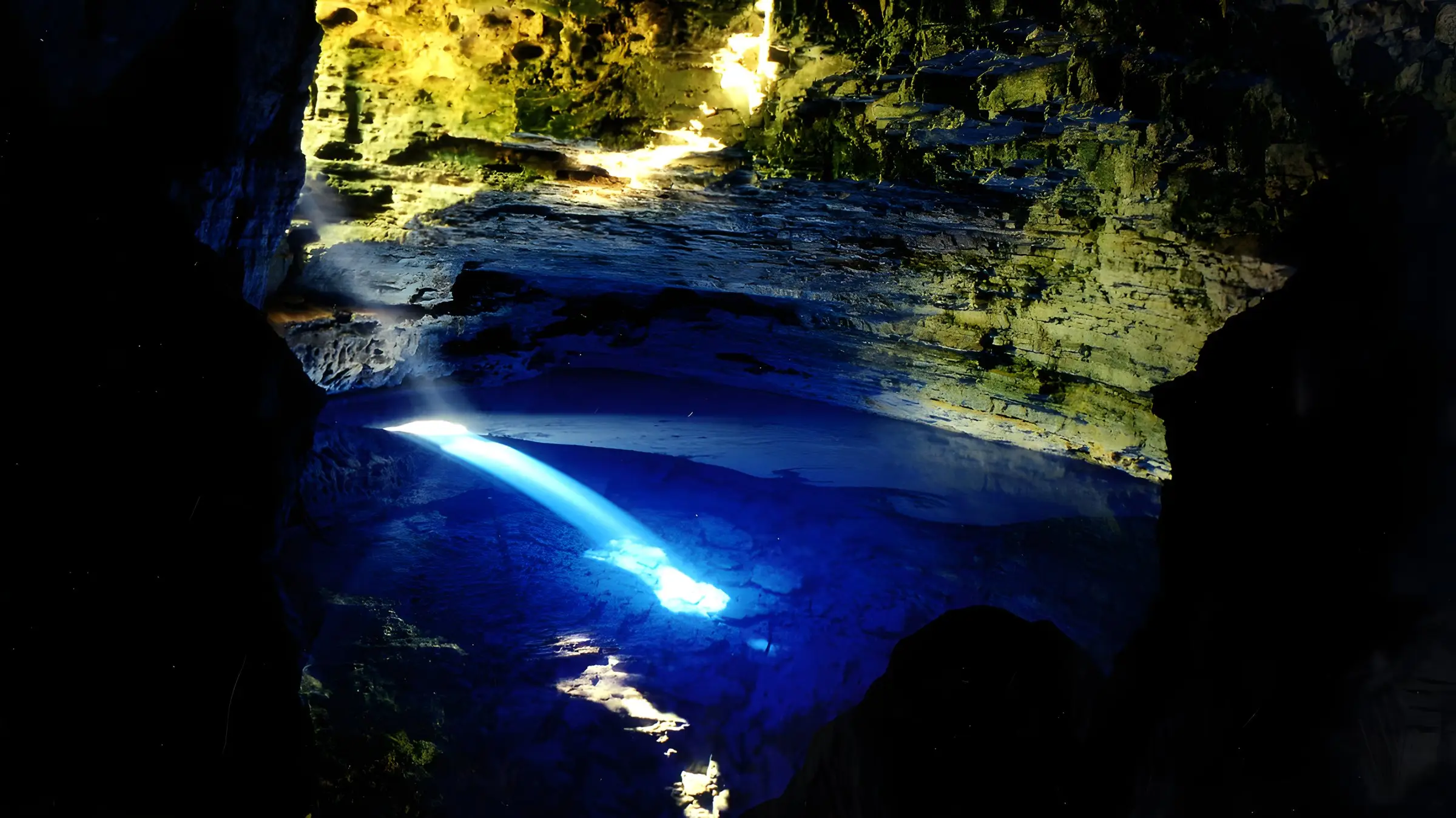
Beam of sunlight lighting the blue water of Poço Encantado inside the cave

Poço Azul and Poço Encantado

Two underground cave pools in the southern part of the park, both worth the drive. Poço Azul is open to swimmers — you enter the cave and snorkel in water that turns a particular shade of blue between 10am and 1pm, when sunlight enters through a fissure in the rock above and hits the bottom at the right angle. Poço Encantado is viewing only (no swimming), but the light effect is more dramatic — a shaft of light through an opening in the ceiling, illuminating the water from within. Do both if you have a day to spare in that part of the park.

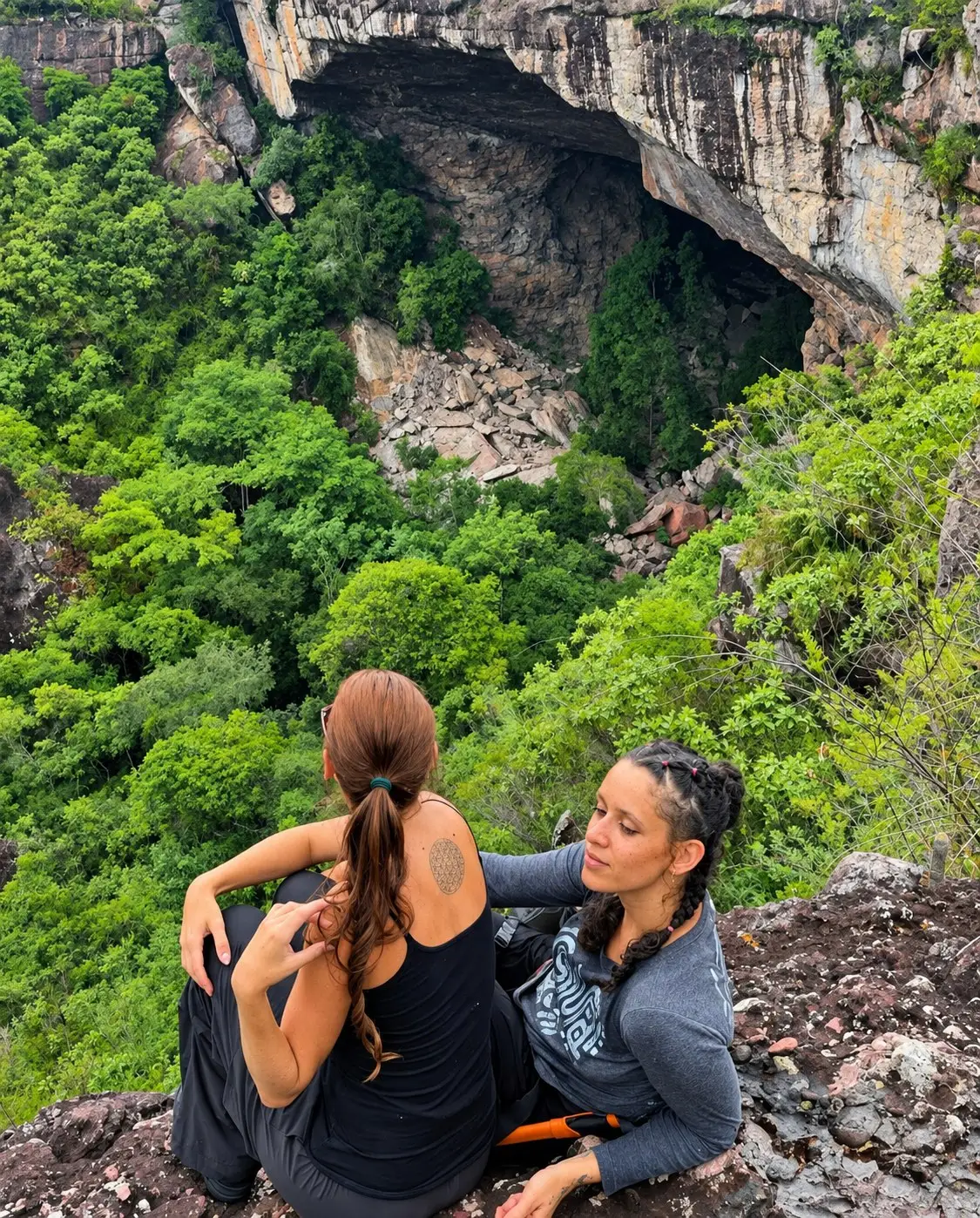
Two people seated on a rocky overlook with the entrance to Gruta do Lapão in the background

Gruta do Lapão

One of the largest sandstone caves in South America, and genuinely strange inside — the formations are not the stalactite variety but carved rock, smooth and enormous, a single chamber that goes back several hundred metres into the hillside. It's a 40-minute walk from Lençóis centre, which makes it an easy morning or late afternoon add-on. Bring a headlamp.

HOW TO READ THIS PAGE

Every tier below runs through Chapadamar, the guiding outfit founded and run by Cris — Vila Serrano's guiding partner for years, recommended because we know their work, not because of any commercial arrangement. Durations and difficulty ratings are theirs; ask at breakfast for what's actually in condition this week.

Pessoa flutuando em uma piscina natural do Ribeirão do Meio

TIER ONE

Half-Day Trails

2–4 HRS4–8 KMEASY–MODERATEGUIDE NOT REQUIRED

The trails that start at the edge of town and don't ask much of you beyond decent shoes and a water bottle. Do one before lunch, be back at the pool by early afternoon.

  • Ribeirão do Meio & Sossego WaterfallNatural rock slides worn smooth over centuries, ending at a single-drop waterfall and swimming hole. Families do it; so do people on rest days who don't want to rest too hard.
  • Gruta do LapãoA 40-minute walk to one of the largest sandstone caves in South America — carved rock rather than stalactites, a single chamber running several hundred metres into the hillside. Bring a headlamp.
  • Serrano & Lençóis river swimming spotsNo itinerary required. Walk out from the historic centre and cool off after the trails wherever the water looks right.
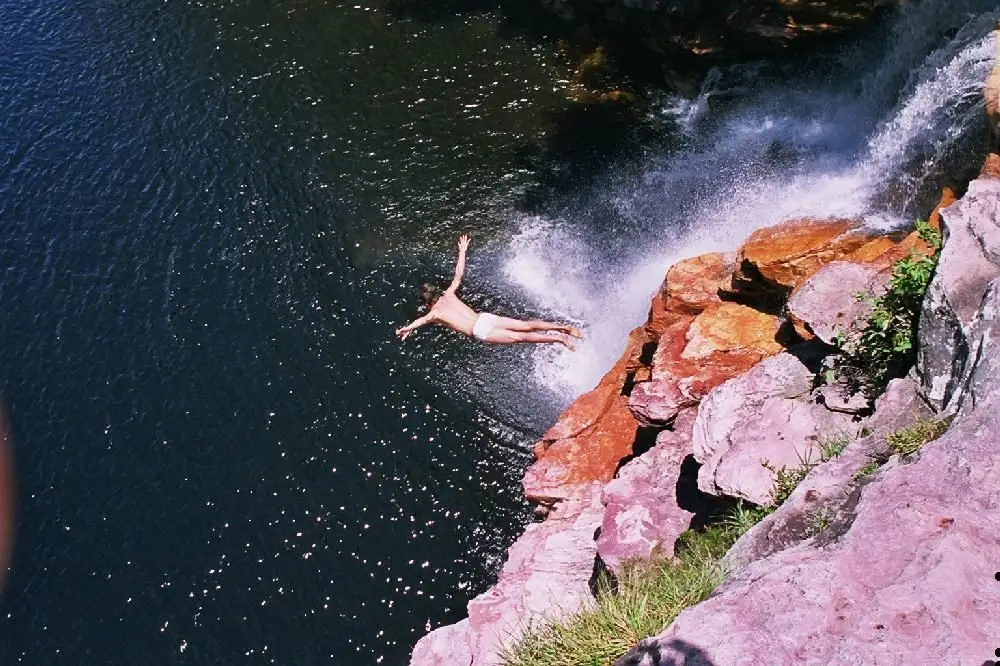
Guia saltando em um poço de cachoeira na Chapada Diamantina
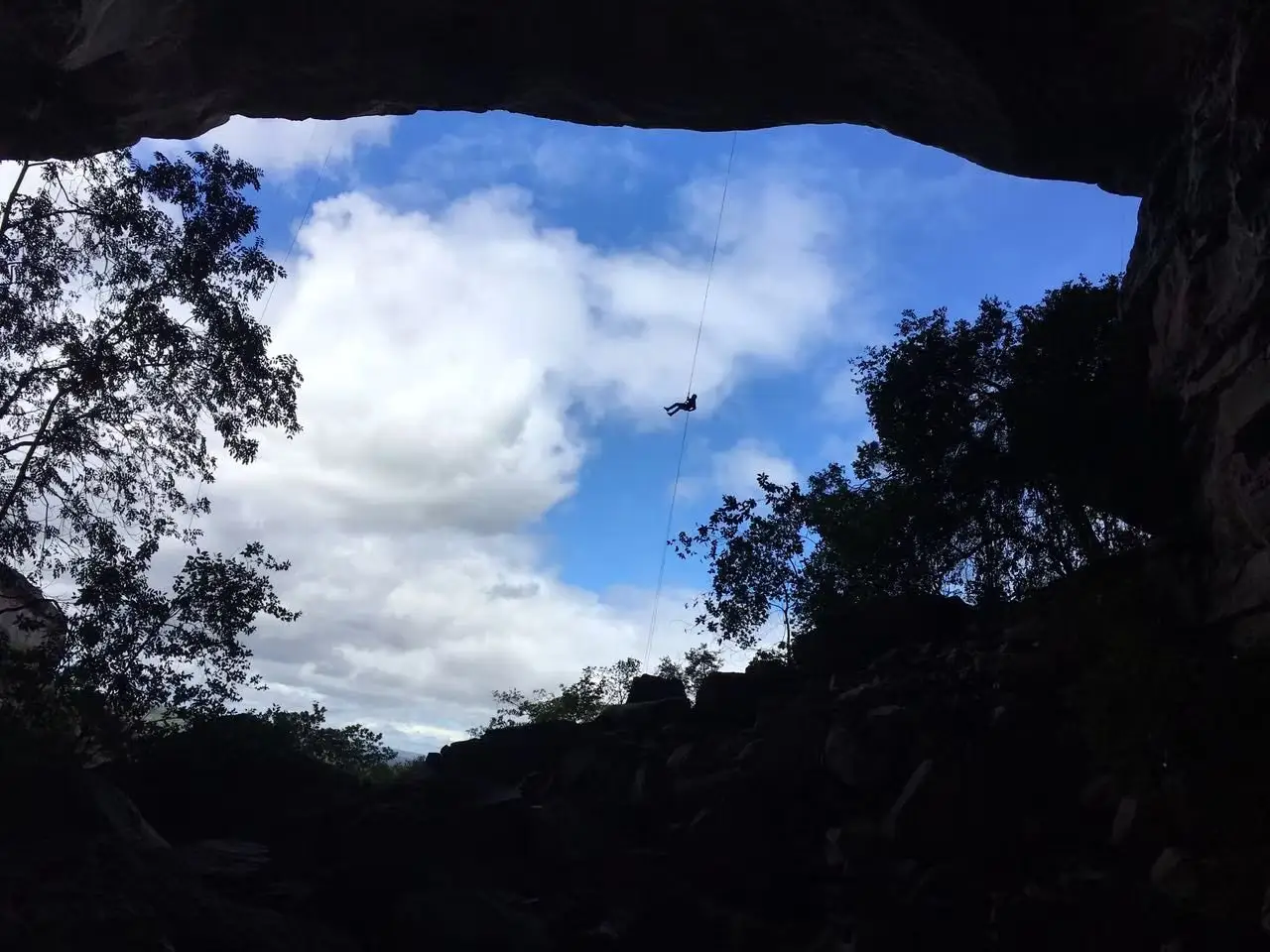
Descida de rapel por uma abertura de caverna na Chapada Diamantina

TIER TWO

Full-Day Excursions

6–10 HRSMODERATEGUIDE RECOMMENDED–REQUIREDBOOK AHEAD

The days worth planning around. These need a driver, a guide, or both — and pay back the extra logistics with the park's most talked-about views.

  • Cachoeira da Fumaça — Viewpoint HikeFive to seven hours to the clifftop above Brazil's tallest waterfall. You look 340 metres straight down; on windy days the water scatters into mist before it reaches the valley floor.
  • Marimbus Wetlands — Canoe & WildlifeA floodplain the locals call the Pantanal of the Northeast. Canoe out from the quilombola village of Remanso with guides who've spent their lives on these channels — caimans, otters, more birds than you'll have names for.
  • Poço Encantado & Poço AzulTwo flooded caves where the water turns an improbable blue between roughly 10am and midday, when the light finds the right angle. One for swimming, one for looking only.
Caminhantes e animal de carga em trilha nas serras do Vale do Pati

TIER THREE

Multi-Day Treks

3–5 DAYSUP TO 70 KMADVANCEDGUIDE MANDATORY

No road in, no road out. A licensed guide isn't optional here — it's the law, and it's also just useful, since the route crosses private land and the trail markings are minimal at best.

  • Vale do Pati — Full CrossingFive days, roughly 65–70 km, sleeping in family homestays as the landscape shifts from cerrado plateau to canyon viewpoints. The benchmark trek of the whole park.
  • Vale do Pati ExpressThe same valley, the best sections, in three days — for guests who want the trek without giving up the full five.
  • Cachoeira da Fumaça from BelowThree days, river crossings, camping at the base of the same waterfall you can see from the clifftop — except from here, it fills the whole sky.

Best Window

May–Sept

Dry season: firm trails, lower humidity, falls still running from the rains before it. Dec–Mar runs wetter and fuller, with muddier trails and the occasional closed crossing.

Guide Rule of Thumb

Tier 3 → always

Mandatory for Vale do Pati and any multi-day route. Recommended for the Fumaça viewpoint and the cave visits. Not required for Ribeirão do Meio or the river walks.

Who Runs It

Chapadamar

Every tier above is booked through Cris and the Chapadamar team — small groups, good English, and years on these exact trails.

LOGISTICS

How to Get to Chapada Diamantina from Salvador

Lençóis is 420 km from Salvador — remote enough to feel like another world, reachable in a single day from anywhere with an international connection to SSA.

BY COACH6–7 hrs

Real Expresso and Nacional Expresso run daily services from Salvador's main bus terminal to Lençóis. Comfortable, cheap, and paved the whole way. Book ahead in high season.

BY DIRECT FLIGHT∼50 min

Azul Linhas Aéreas flies from Salvador (and São Paulo Congonhas) to Horácio de Mattos Airport (LEC), directly in Lençóis. Check schedules directly with Azul — services vary seasonally.

BY PRIVATE TRANSFERDoor to door

Chapadamar offers transfers from Salvador airport. Useful if you're arriving late, travelling with gear, or want the Chapada experience to start before you've even checked in.

GUIDES

Guided Tours and Local Experts in Chapada Diamantina

Some sections of the park require a licensed guide by law. For the rest, it depends on what you're doing. Day hikes from Lençóis to Ribeirão do Meio or Gruta do Lapão are well-marked and manageable without one. The Fumaça viewpoint hike benefits from a guide — the trailhead is in Capão, not in Lençóis, and the approach isn't always obvious. For Vale do Pati and other multi-day routes, a guide is not optional.

Vila Serrano's preferred guiding partner is Chapadamar, run by Cris — small groups, good English, and genuine knowledge of this landscape from years on it. We recommend them because we know them, not because of any commercial arrangement.

The park also supports trekking, mountain biking (including the Brasil Ride in October), birdwatching (over 200 species recorded in the Chapada region), canoe tours at Marimbus, and cave visits at Poço Azul and Gruta do Lapão.

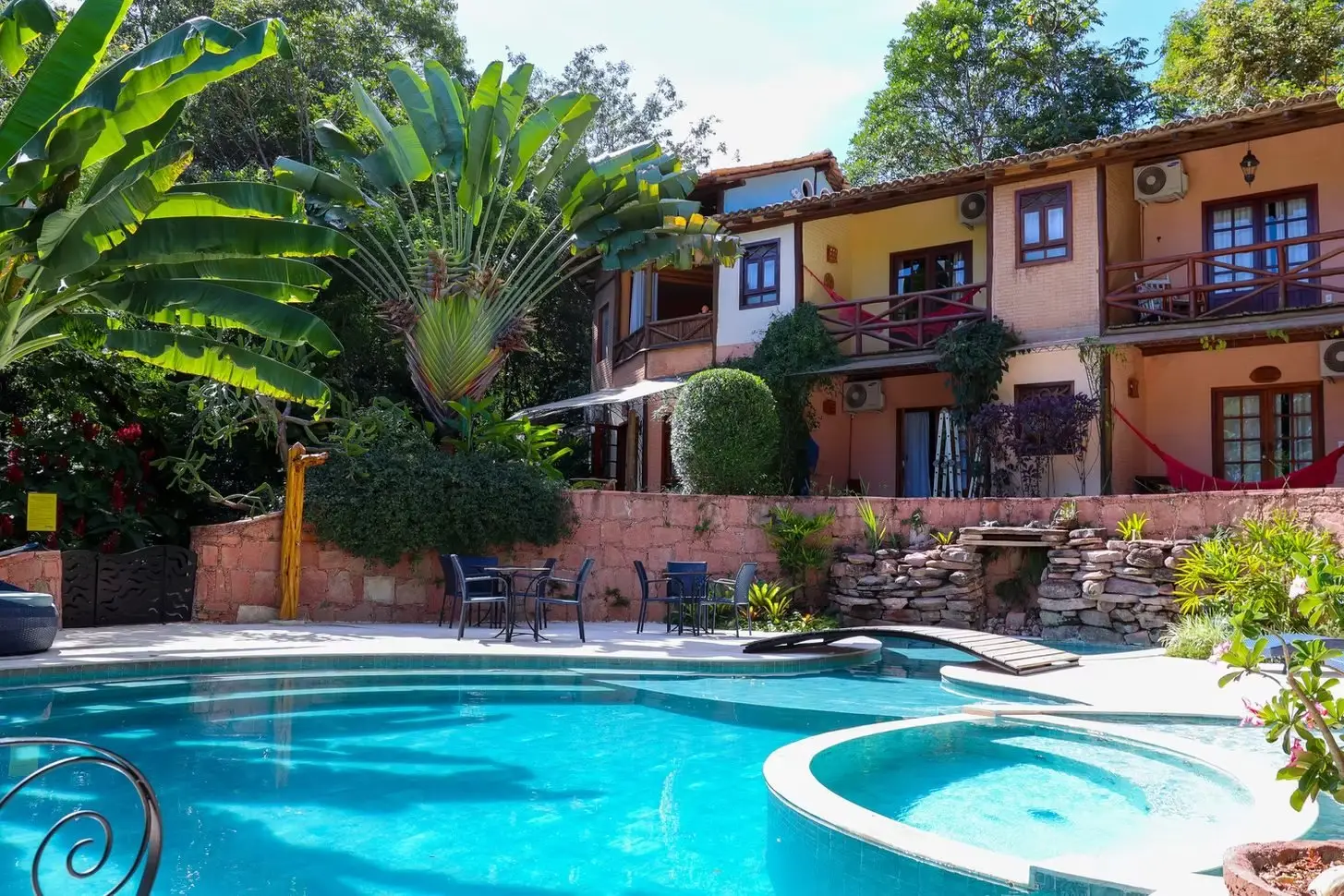
Vila Serrano pool and bungalows among the garden

YOUR BASE

Where to Stay in Lençóis: Vila Serrano

Vila Serrano is a small guesthouse on the hill above Lençóis historic centre — five minutes' walk from the main square, with a garden that takes up more space than the building, a pool, and a breakfast table where guests sometimes sit for an hour before the trails pull them away. We have 22 rooms and we keep the atmosphere quiet and unhurried by design. The kinds of guests who enjoy it are the kind who want to be at a trailhead by 7am and back at the pool by 4pm, rather than somewhere with a conference room and room service until midnight.

Breakfast is included and made here — local fruit, bread from the oven, strong Bahian coffee. Our preferred guide partner is Chapadamar. We know which trails are in good condition and which to avoid, and that's the kind of information that lives in a conversation over breakfast rather than on a website.

Book Direct — Best Rate Guaranteed

QUESTIONS

Chapada Diamantina: Frequently Asked Questions

Is Chapada Diamantina worth visiting?

Yes — and the question mostly gets asked by people who haven't been yet. The park combines Brazil's tallest waterfall, multi-day treks through roadless valleys, underground cave pools, and a colonial base town that works as a destination in its own right. Most visitors say they didn't book enough nights.

How many days do you need in Chapada Diamantina?

Four days is the minimum for a meaningful visit — enough for two or three day hikes and time in Lençóis. Five to seven days opens up the Vale do Pati trek alongside day trips to Fumaça, Marimbus, and Poço Azul.

Do you need a guide in Chapada Diamantina?

For multi-day treks like Vale do Pati, yes — a licensed guide is legally required and practically useful. For day hikes from Lençóis (Ribeirão do Meio, Gruta do Lapão, the river walks), a guide isn't mandatory, but trail signs are inconsistent and having someone who knows the area means you spend your day hiking rather than second-guessing direction.

When is the best time to visit Chapada Diamantina?

May to September for trekking — dry trails, lower humidity, consistent weather. December to March for waterfalls at full volume, though trails run wetter. October is the hottest month and coincides with the Brasil Ride, which fills accommodation fast.

How do you get from Salvador to Lençóis?

Coach (6–7 hours), direct flight with Azul to Horácio de Mattos Airport (∼50 min), or private transfer with Chapadamar, door to door. Which one makes sense depends on your budget, arrival time, and how much luggage you're moving.

Guest reviews

Super comfortable bed, warm service and a wonderful breakfast.

Lyvyah Booking.com

A unique garden for anyone who wants to feel connected to nature.

Daniel_viegas Booking.com

Cosy room, great pousada and friendly staff

Valentin Mat Google

The breakfast was really good with a great variety of dishes.

Alex de Leon Google

Contact the teamWhatsApp